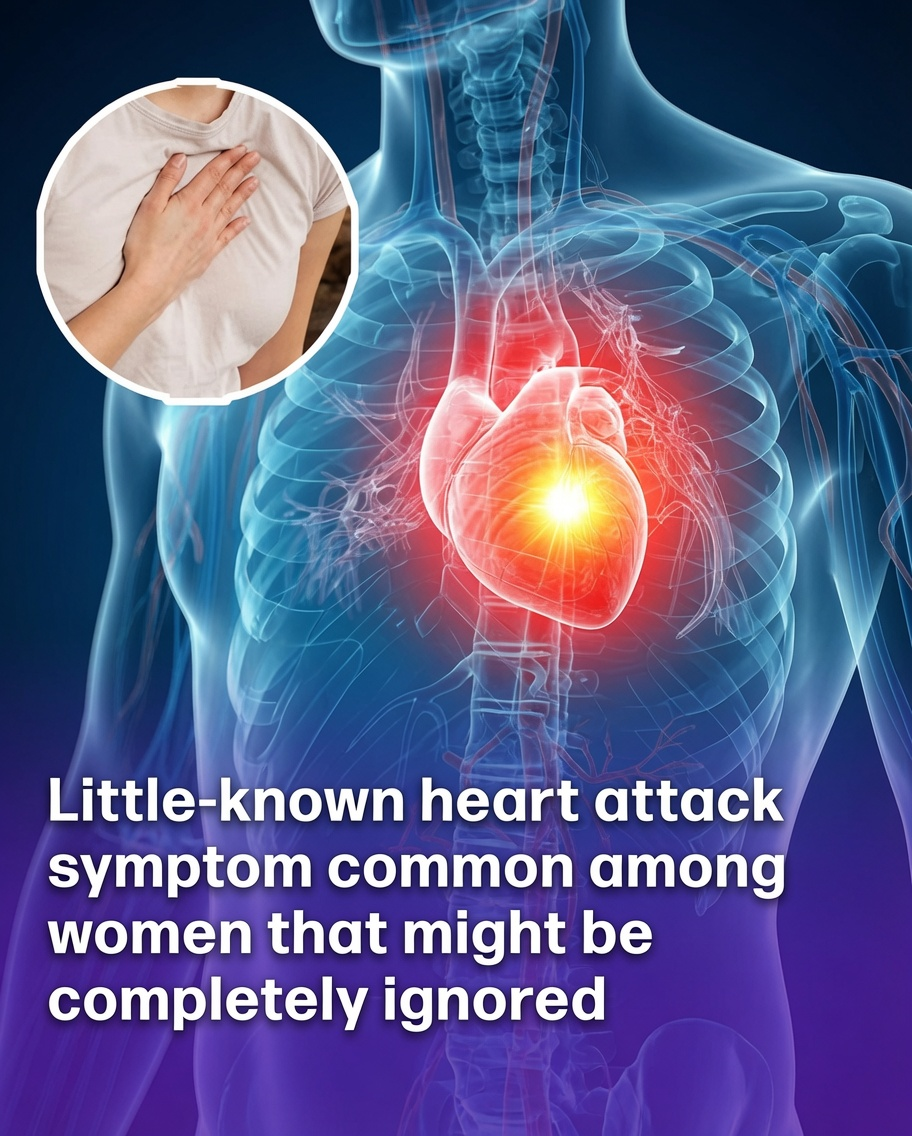
Heart disease remains the leading cause of death for women, yet many still picture a heart attack as the classic Hollywood scene — clutching the chest, dramatic collapse, immediate recognition. In reality, women’s heart attacks often look and feel very different. The symptoms can be so subtle and gradual that they’re dismissed as stress, indigestion, or simply “getting older.” This mismatch between expectation and reality leads to dangerous delays in seeking help. Understanding these quieter warning signs, particularly one that many women overlook entirely, could mean the difference between life and death.
One of the most frequently missed symptoms is profound, unexplained fatigue. Not the normal tiredness after a long day, but an overwhelming exhaustion that feels different from anything experienced before. Women often describe it as a heavy, bone-deep weariness that makes simple tasks like folding laundry or walking to the mailbox feel monumental. This fatigue can appear days or even weeks before a heart attack. Because women are so accustomed to pushing through exhaustion — juggling careers, family responsibilities, and caregiving roles — they frequently brush it aside as just another part of being busy. What they don’t realize is that this fatigue often stems from the heart struggling to pump enough oxygenated blood to the body, a signal that something is seriously wrong with the cardiovascular system.
This symptom is particularly dangerous because it doesn’t always come with chest pain. Medical experts now recognize that up to 40% of women experiencing heart attacks report no chest discomfort at all. Instead, the body sends other signals that are easier to rationalize away. The fatigue might be accompanied by shortness of breath during activities that never used to cause problems, like climbing a flight of stairs or carrying groceries. Some women describe a sense of dread or anxiety that seems to come from nowhere, a vague feeling that something isn’t right even though they can’t pinpoint why. These atypical presentations mean many women wait longer to seek medical attention, sometimes with tragic consequences.
Jaw, neck, or upper back pain represents another commonly missed indicator. Unlike the crushing chest pressure many expect, this discomfort can feel like a persistent ache or tightness that radiates to the jaw, shoulders, or between the shoulder blades. It’s often mistaken for muscle strain, TMJ issues, or even dental problems. Women who experience this symptom frequently visit their dentist or chiropractor before realizing the true source. The pain might come and go, making it even easier to dismiss. What makes this particularly concerning is that these areas are innervated by the same nerves that supply the heart, which is why the brain can interpret cardiac distress as pain in seemingly unrelated places.
Nausea, vomiting, and digestive discomfort round out the list of subtle but serious signs. Many women report feeling sick to their stomach, breaking out in a cold sweat, or experiencing heartburn-like symptoms that don’t respond to typical antacids. These gastrointestinal complaints are so common during heart events in women that they’re sometimes called “stomach attacks” in medical literature. The connection exists because the heart and digestive system share nerve pathways, and reduced blood flow during a cardiac event can manifest as nausea or indigestion. Because women are more likely to experience these symptoms than classic chest pain, they often attribute them to food poisoning, the flu, or stress — delaying critical medical intervention.
The reasons women experience different heart attack symptoms than men are complex and still being studied. Hormonal differences, smaller coronary arteries, and different plaque patterns may all play a role. What’s clear from decades of research and clinical observation is that the medical community’s historical focus on male-pattern symptoms has left generations of women at higher risk. This knowledge gap means many women don’t recognize their own symptoms, and even when they do seek help, healthcare providers sometimes miss the signs because they’re looking for the textbook male presentation.
Prevention and awareness remain our strongest tools. Understanding your personal risk factors — family history, high blood pressure, diabetes, smoking, sedentary lifestyle, or autoimmune conditions — allows for more proactive health management. Regular check-ups that include comprehensive cardiovascular screening, not just basic cholesterol tests, become essential after age forty. Many doctors now recommend advanced testing like coronary calcium scans or stress tests for women with multiple risk factors, even if they feel fine.
Lifestyle changes also make an enormous difference. A heart-healthy diet rich in vegetables, fruits, whole grains, lean proteins, and healthy fats supports cardiovascular function. Regular physical activity, even gentle movement like walking, swimming, or yoga, strengthens the heart muscle and improves circulation. Managing stress through meditation, deep breathing, or therapy helps reduce the inflammation that contributes to heart disease. Quality sleep and maintaining social connections are equally important, as isolation and poor rest have been linked to higher cardiovascular risk in women.
Knowing the subtle symptoms empowers women to advocate for themselves in medical settings. If something feels wrong, even if it doesn’t match the classic heart attack narrative, it’s crucial to speak up clearly. Phrases like “I’m concerned this could be cardiac-related” can help guide doctors toward appropriate testing rather than assuming anxiety or indigestion. Time is muscle during a heart event — the faster blood flow is restored, the better the outcome.
Support systems play a vital role too. Family members and friends who understand the atypical symptoms in women can help recognize warning signs and encourage seeking immediate care. Community education programs, women’s health initiatives, and increased representation of female heart patients in medical literature are all helping close the awareness gap. The more we talk openly about these differences, the more lives we can potentially save.
The fatigue, jaw pain, nausea, and other subtle signals aren’t minor inconveniences to push through. They’re the body’s intelligent way of communicating that something needs urgent attention. By learning to listen to these quieter messages instead of waiting for dramatic chest pain, women can take control of their heart health and potentially prevent devastating outcomes.
Every woman deserves to feel empowered about her cardiovascular health. That starts with education, continues with regular preventive care, and strengthens through lifestyle choices that honor the body’s needs at every stage of life. The symptoms may be subtle, but the consequences of ignoring them are not. Recognizing the differences in how heart disease presents in women isn’t about creating fear — it’s about creating the knowledge that leads to action, early intervention, and ultimately, more years of healthy, vibrant living.
The next time you feel unusually exhausted for no clear reason, or experience persistent jaw discomfort, or battle nausea that doesn’t seem related to food, pause and consider your heart. Share these signs with the women you love. Talk about them with your doctor. The conversation itself can be lifesaving. Because when it comes to women’s heart health, knowledge truly is power — and sometimes the most powerful thing we can do is listen to the quieter signals our bodies send. Your heart has carried you through every moment of your life. Learning to recognize when it needs help is one of the most important ways to honor that incredible journey.
Most Popular!
-
 Eggs, Cholesterol, and Timing: What Actually Matters for Most People
-
When a Partner Leaves With More Than a Suitcase: Protecting Yourself From Financial Betrayal
-
When Financial Support Meets Contempt: Recognizing Exploitation Inside a Marriage
-
Why Some Sensory Toys and Household “Hacks” Do Not Belong in the Microwave
-
When Grief Clouds Judgment: Misreading Silence and the Quiet Ways People Show Care
-
When One Partner Does All the Hosting: Recognizing Imbalance Before Resentment Takes Over
-
How Many Holes Are in a T-Shirt? What a Simple Puzzle Reveals About How We See
-
The Quiet Stories Inside Secondhand Objects: When a Thrift-Store Find Carries Someone Else’s History