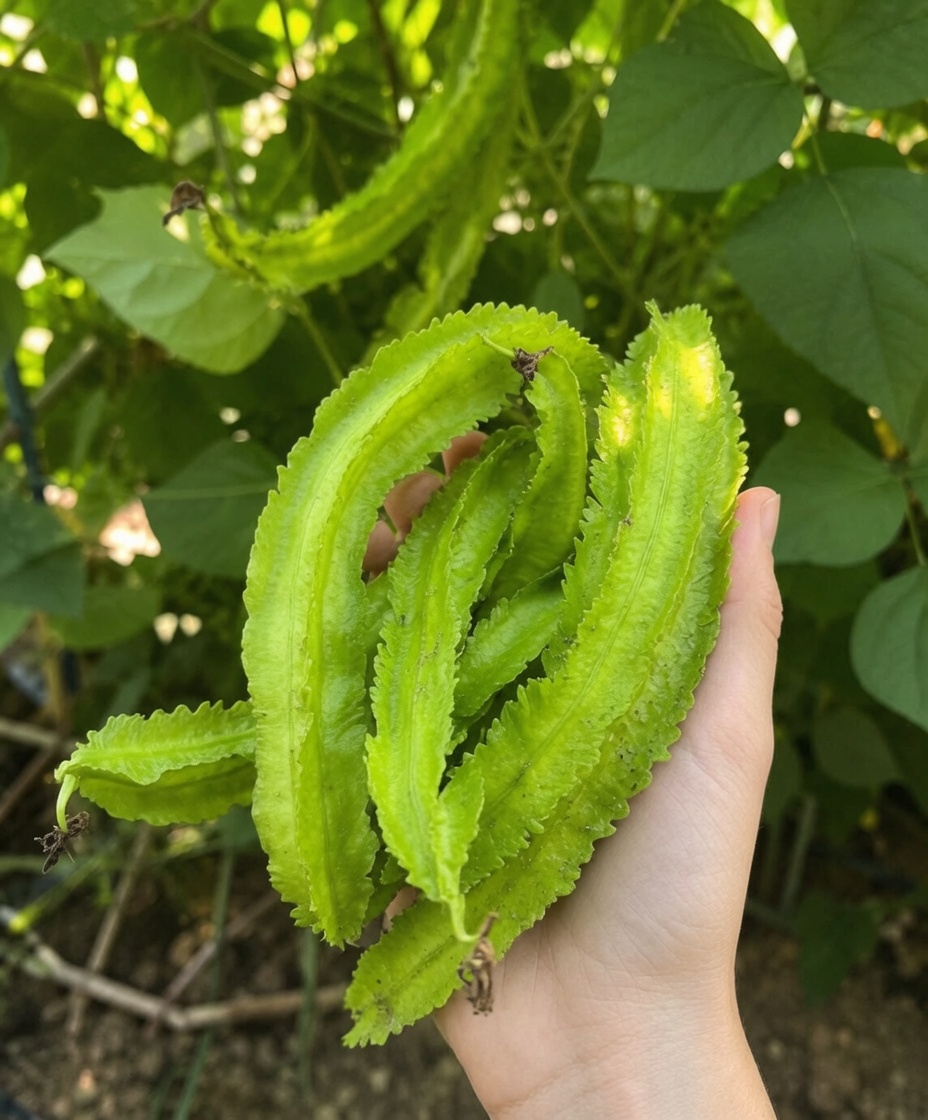
In the world of nutrition, some foods quietly offer remarkable benefits while remaining relatively unknown to many people. Winged beans, sometimes called asparagus beans, four-angled beans, or goa beans, belong to that special category. These unusual-looking legumes with their distinctive winged edges have been a staple in tropical regions for generations, yet they are finally gaining attention from nutritionists and doctors in Western countries. What makes winged beans particularly interesting is their exceptional nutritional profile combined with versatility in cooking and potential health advantages that extend far beyond basic protein intake.
Winged beans are technically the seeds of a tropical vine plant known scientifically as Psophocarpus tetragonolobus. Unlike many other beans that require long cooking times or specific preparation methods, winged beans can be consumed at different stages of growth. Young pods can be eaten like green beans, while mature seeds can be dried and cooked similarly to other legumes. The leaves, flowers, and even the roots are edible, making the entire plant remarkably efficient as a food source. This complete usability has earned winged beans a reputation in some agricultural circles as a “superfood plant” capable of addressing both nutritional and environmental challenges in tropical farming regions.
One of the most impressive aspects of winged beans is their protein content. According to nutritional data, winged beans contain approximately 30-35% protein by weight when dried, putting them on par with or even exceeding many other common legumes like soybeans or lentils. This high protein density makes them particularly valuable for vegetarians, vegans, and anyone looking to increase plant-based protein intake without relying heavily on processed alternatives. The protein in winged beans is also notable for containing all essential amino acids, though some nutritionists note that combining them with grains can create a more complete amino acid profile for optimal muscle repair and overall body function.
Beyond protein, winged beans offer an impressive array of vitamins and minerals. They are rich in vitamin C, which supports immune function and collagen production for healthy skin. The folate content is significant, making them beneficial for pregnant women and those concerned about cellular health. Iron levels are notable as well, which can help combat fatigue and support oxygen transport throughout the body. Many doctors specifically highlight the calcium and magnesium content in winged beans, noting that these minerals work together to support bone density and proper muscle function — particularly important as people age and become more conscious of osteoporosis prevention.
The fiber content in winged beans deserves special attention. Both soluble and insoluble fibers are present in good amounts, contributing to digestive health, blood sugar regulation, and cholesterol management. Several studies have suggested that regular consumption of high-fiber legumes like winged beans may help reduce the risk of heart disease by lowering LDL cholesterol levels and improving overall cardiovascular markers. For individuals managing diabetes or prediabetes, the combination of fiber and complex carbohydrates in winged beans can lead to more stable blood glucose levels compared to refined grains or simple sugars.
Antioxidant compounds found in winged beans add another layer of potential health benefits. These include flavonoids and phenolic compounds that help combat oxidative stress in the body. Some preliminary research indicates these antioxidants may support liver health and offer protective effects against certain chronic conditions. While more large-scale human studies are still needed, the existing data has encouraged many nutritionists to recommend winged beans as part of an anti-inflammatory dietary pattern.
One aspect that makes winged beans particularly appealing to health-conscious consumers is their relatively low glycemic index. This characteristic, combined with their high fiber and protein content, makes them an excellent choice for sustained energy without the blood sugar spikes associated with many other carbohydrate-rich foods. Athletes and active individuals have started incorporating winged beans into their meal plans for this reason, using them in salads, stir-fries, and even as a base for plant-based protein powders.
Culinary versatility is another major advantage. Young winged bean pods can be stir-fried, steamed, or added to soups and curries. They have a pleasant, slightly nutty flavor that pairs well with garlic, ginger, chilies, and various herbs. Mature seeds can be boiled, sprouted, or ground into flour for baking. In many Southeast Asian cuisines, winged beans are used in traditional dishes ranging from simple vegetable stir-fries to more complex coconut milk-based curries. The leaves can be prepared similarly to spinach or other leafy greens, offering yet another way to incorporate this nutritious plant into daily meals.
For those concerned about digestive comfort, winged beans may offer advantages over some other legumes. While they do contain some oligosaccharides that can cause gas in sensitive individuals, proper preparation methods like soaking, sprouting, or fermenting can significantly reduce these compounds. Many people who experience discomfort with beans report better tolerance with winged beans when prepared correctly. Starting with smaller portions and gradually increasing intake allows the digestive system to adapt over time.
Environmental and agricultural benefits add yet another dimension to the appeal of winged beans. The plant is known for its ability to fix nitrogen in the soil, making it valuable in sustainable farming systems. It grows well in tropical climates with relatively modest water requirements compared to many other crops. As interest in climate-resilient and locally adaptable food sources grows, winged beans are receiving increased attention from agricultural researchers and permaculture practitioners.
Doctors and nutritionists increasingly recommend winged beans for specific health goals. For individuals managing weight, the combination of high protein, fiber, and low glycemic impact can promote satiety and stable energy levels. For those focused on heart health, the fiber and antioxidant content provide natural support for cardiovascular wellness. Older adults may benefit from the mineral density for bone and muscle maintenance. Even athletes looking for clean plant-based protein sources are discovering winged beans as a valuable addition to their nutritional arsenal.
Incorporating winged beans into your diet doesn’t require dramatic changes. Start by adding young pods to familiar stir-fry dishes or soups. Try sprouting the seeds for use in salads and sandwiches. Experiment with dried beans in place of chickpeas or black beans in favorite recipes. The mild flavor profile makes winged beans adaptable to many different cuisines and cooking styles. Over time, you may find yourself reaching for them regularly as both a nutritious and satisfying ingredient.
Of course, as with any food, individual responses can vary. People with legume sensitivities should introduce winged beans gradually and consult with healthcare providers if they have specific medical conditions. Those taking blood-thinning medications should be mindful of the vitamin K content, though winged beans generally contain moderate rather than excessive amounts compared to leafy greens.
The growing interest in winged beans reflects a broader shift toward exploring traditional and underutilized foods that offer significant nutritional benefits. As more research emerges and awareness spreads, these humble legumes may move from specialty status to becoming a more common feature in health-conscious kitchens worldwide. Their combination of complete protein, essential vitamins and minerals, fiber, and antioxidants creates a compelling nutritional package that aligns well with modern dietary goals.
For anyone looking to diversify their plant-based protein sources or simply add more nutrient density to their meals, winged beans deserve serious consideration. They represent the kind of food that bridges traditional wisdom with contemporary nutritional science — offering both practical benefits and potential for long-term health support. Whether incorporated occasionally or enjoyed regularly, winged beans have the potential to become a valuable ally in the pursuit of better health and more varied, satisfying meals.
The next time you’re at an international market or exploring new ingredients online, consider picking up some winged beans. Your taste buds and your body might thank you for the discovery. In a world full of processed foods and complicated supplements, sometimes the most powerful health boosters are the ones that have been quietly growing in tropical gardens for generations, waiting for us to notice their remarkable potential.
Most Popular!
-
 Eggs, Cholesterol, and Timing: What Actually Matters for Most People
-
When a Partner Leaves With More Than a Suitcase: Protecting Yourself From Financial Betrayal
-
When Financial Support Meets Contempt: Recognizing Exploitation Inside a Marriage
-
Why Some Sensory Toys and Household “Hacks” Do Not Belong in the Microwave
-
When Grief Clouds Judgment: Misreading Silence and the Quiet Ways People Show Care
-
When One Partner Does All the Hosting: Recognizing Imbalance Before Resentment Takes Over
-
How Many Holes Are in a T-Shirt? What a Simple Puzzle Reveals About How We See
-
The Quiet Stories Inside Secondhand Objects: When a Thrift-Store Find Carries Someone Else’s History