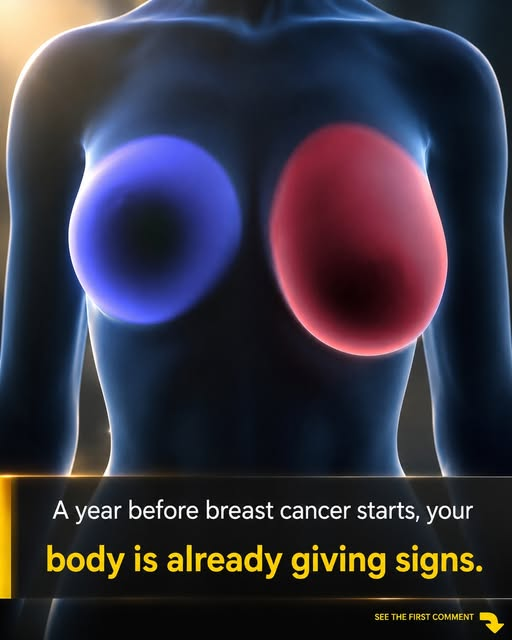
Breast cancer remains one of the most common health concerns for women, yet many of the earliest changes can be subtle and easy to overlook in the rush of daily life. The good news is that paying attention to your body and knowing what feels or looks normal for you can make a meaningful difference. While no single sign automatically means cancer, certain changes deserve prompt attention from a healthcare professional. Understanding these signals helps turn uncertainty into action and supports better outcomes when caught early.
One important change to watch for involves shifts in the overall shape or contour of the breast. This might appear as swelling in one area, a breast that suddenly looks fuller than the other, or skin that seems stretched, dimpled, or puckered like an orange peel. These alterations can happen gradually and often without pain, which is why they sometimes go unnoticed. Because natural asymmetry exists for many women, the key is noticing what feels new or different from your usual pattern rather than comparing one side strictly to the other.
Skin and nipple changes also deserve attention. Redness, thickening, or persistent irritation on the breast skin can signal something worth investigating. Nipple changes such as a new inversion, unusual discharge, or irritation that doesn’t resolve may also appear. While many of these symptoms have benign causes, any unexplained difference from what you normally experience should be checked. Your body has its own baseline, and trusting when something feels off is an important part of self-care.
Swelling or a lump in the armpit area is another sign that often gets overlooked. The breast tissue extends into this region, and changes in the lymph nodes can sometimes be the first noticeable indication of an issue. These lumps may feel firm or tender and can appear without other obvious breast symptoms. Because swollen nodes can also result from temporary infections, it helps to monitor whether the change persists beyond a couple of weeks. Persistent swelling in this area is always worth discussing with a doctor.
A new lump or thickened area within the breast itself remains one of the most recognized warning signs. These lumps can feel hard, irregular, or fixed in place, though some are softer or more movable. Not every lump is cancerous — cysts and other benign conditions are common — but only a professional evaluation can determine what it is. The earlier any new mass is examined, the more options are available if treatment becomes necessary.
Monthly breast self-exams remain a simple yet powerful tool for staying familiar with your body. Performing them at the same time each month helps you notice subtle shifts before they become obvious. For women who are postmenopausal, choosing one consistent day works well. The goal isn’t to diagnose but to know your normal so that anything different stands out more clearly. Combining self-awareness with regular clinical exams and mammograms creates a stronger safety net.
Mammograms play a particularly valuable role as women move into their sixties and beyond. These screenings can detect changes too small to feel during self-exams. Many health guidelines recommend regular mammograms starting around age 40 and continuing as long as a woman remains in good health. For women over 60, these screenings often provide reassurance and catch issues at their earliest, most treatable stages. Discussing your personal risk factors and screening schedule with your doctor helps tailor the approach to your needs.
When you notice any of these changes, the most helpful response is usually calm action rather than fear. Schedule an appointment with your healthcare provider and describe exactly what you’ve observed and when it started. Most changes turn out to be benign, yet the peace of mind that comes from getting checked is worth the short period of uncertainty. Early evaluation keeps more doors open and removes the mental weight of wondering in silence.
Lifestyle choices can also support breast health alongside awareness. Maintaining a balanced diet, staying physically active, limiting alcohol, and avoiding smoking all contribute to overall well-being. While these habits don’t guarantee prevention, they create a foundation that helps the body function at its best. Small, consistent choices add up over the years and complement medical screening rather than replace it.
Talking openly about breast health reduces the isolation many women feel when facing uncertainty. Sharing experiences with trusted friends or support groups can make the process feel less daunting. Knowing you’re not alone in paying attention to your body helps normalize these conversations and encourages others to do the same. Awareness grows stronger when it becomes a shared community value rather than a private worry.
Ultimately, recognizing these four early warning signs is about empowerment rather than alarm. Changes in breast shape, skin or nipple appearance, armpit swelling, and new lumps inside the breast are signals worth respecting. Combined with regular self-checks and professional screenings, they form a practical approach to staying ahead of potential problems. Women who stay tuned in to their bodies and act promptly when something feels different give themselves the best possible chance at long-term health and peace of mind. Taking that step — whether it’s scheduling a check-up or simply paying closer attention — is one of the most caring things you can do for yourself at any age.
Most Popular!
-
 Eggs, Cholesterol, and Timing: What Actually Matters for Most People
-
When a Partner Leaves With More Than a Suitcase: Protecting Yourself From Financial Betrayal
-
When Financial Support Meets Contempt: Recognizing Exploitation Inside a Marriage
-
Why Some Sensory Toys and Household “Hacks” Do Not Belong in the Microwave
-
When Grief Clouds Judgment: Misreading Silence and the Quiet Ways People Show Care
-
When One Partner Does All the Hosting: Recognizing Imbalance Before Resentment Takes Over
-
How Many Holes Are in a T-Shirt? What a Simple Puzzle Reveals About How We See
-
The Quiet Stories Inside Secondhand Objects: When a Thrift-Store Find Carries Someone Else’s History