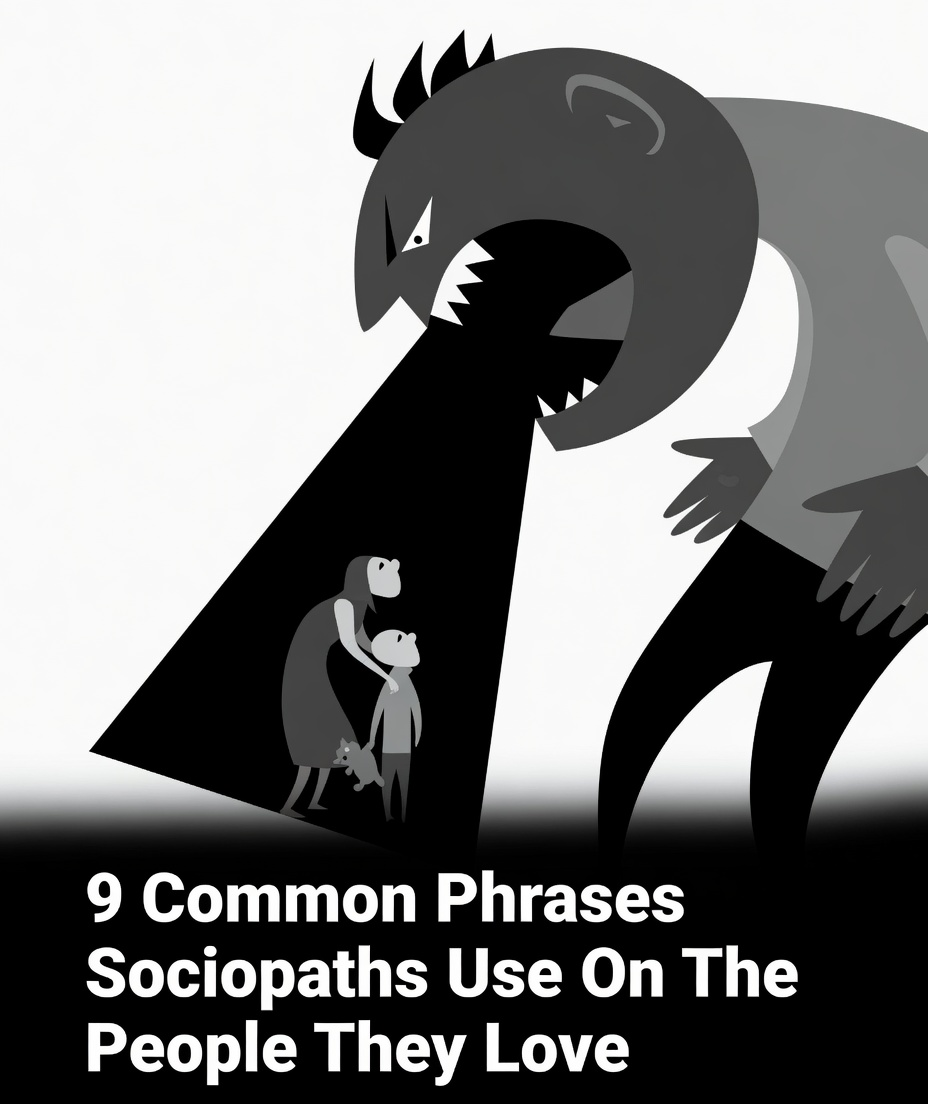
Language has a powerful way of revealing what someone truly feels, even when they try to hide it. In relationships, certain phrases pop up repeatedly from people who struggle with genuine empathy or emotional depth. These expressions often sound flattering or intimate at first, but over time they can reveal a pattern of creating connection without real emotional investment. Understanding these patterns helps people protect their own well-being and recognize when words are being used more as tools than as honest expressions of care.
One phrase that frequently appears is the claim that “nobody else understands me like you do.” On the surface it feels special and bonding. It suggests a unique, almost fated connection. In reality, this kind of statement can serve to create instant closeness while keeping the focus on the speaker’s needs. It may flatter the listener into feeling chosen or irreplaceable, yet it often comes without the consistent actions that prove real understanding or respect. When someone repeatedly positions you as the only person who “gets” them, it can slowly isolate you from other support systems and place heavy emotional responsibility on your shoulders.
Another pattern involves quick declarations of intense feelings or future plans that seem to move faster than the actual relationship has developed. Phrases like “I’ve never felt this way about anyone” or “you’re the only one who really sees me” can feel exciting in the moment. However, when these statements appear very early and aren’t backed by steady, respectful behavior over time, they may reflect a desire for immediate validation rather than authentic attachment. Healthy connections usually grow gradually, with words and actions staying in step with each other.
deflection is another common tactic. When concerns are raised about behavior or hurt feelings, some people respond with phrases that shift attention away from their actions. Something like “you’re too sensitive” or “you’re imagining things again” can make the other person question their own perceptions. Over time, this kind of language erodes confidence and makes it harder to trust your instincts. It turns legitimate emotional conversations into debates about whether the concern is even valid, which prevents real resolution or growth in the relationship.
Some individuals use phrases that subtly create obligation or guilt. Comments such as “after everything I’ve done for you” or “I thought you cared about me” can appear when someone doesn’t get their way. These statements frame care as a transaction rather than a mutual exchange. They can pressure the listener into compliance or silence rather than encouraging open dialogue. In healthier dynamics, care isn’t kept as a running tally to be called in later.
Isolation often hides behind seemingly caring language. Phrases like “your friends don’t really understand our relationship” or “we don’t need anyone else when we have each other” sound romantic at first. Yet consistent efforts to limit outside connections can leave someone dependent and cut off from perspective. True emotional safety usually includes room for both partners to maintain supportive relationships outside the couple. When someone works to shrink your world, it’s worth paying attention to the pattern rather than the flattering words.
Another revealing habit involves minimizing or dismissing emotions altogether. Responses such as “just get over it” or “why are you making such a big deal out of nothing” shut down vulnerability instead of meeting it with curiosity or compassion. People who consistently struggle with empathy often find it difficult to sit with someone else’s discomfort. They may prefer to end the conversation quickly rather than engage with feelings that don’t serve their immediate needs. Over months or years, this creates an environment where one person’s emotional life is repeatedly minimized.
Gaslighting through language can be especially damaging because it attacks someone’s sense of reality. Phrases that rewrite recent events or deny previous agreements make the listener feel confused and unsteady. When this happens regularly, it becomes harder to trust your own memory or judgment. The goal of such language is often control rather than connection. Recognizing when conversations consistently leave you doubting yourself is an important signal that something deeper may be off.
It’s important to remember that no single phrase automatically defines someone’s character. Everyone occasionally says things they later regret or that come out poorly under stress. The real concern arises when these types of statements form a consistent pattern, especially when paired with actions that contradict the words. A person might say all the right things about caring while repeatedly behaving in ways that show little regard for your feelings or boundaries. Paying attention to both language and behavior together gives a much clearer picture than either one alone.
Healthy relationships tend to feature language that invites partnership rather than control. Partners express care through curiosity about each other’s inner world, willingness to take responsibility, and consistent follow-through. They can handle difficult conversations without turning them into battles over who is “too sensitive” or “imagining things.” When both people feel safe expressing needs and hearing feedback, the relationship has room to grow stronger instead of becoming a source of confusion or self-doubt.
If you notice these patterns showing up regularly, it can be helpful to step back and observe without immediately confronting or excusing. Notice how you feel after interactions. Do you leave conversations feeling more connected or more uncertain? Do your concerns get addressed or redirected? Trusting your lived experience alongside the words you hear is one of the most practical ways to protect your emotional health. Many people find that talking with a trusted friend or therapist provides valuable outside perspective when patterns feel hard to evaluate alone.
Ultimately, the phrases people use in close relationships reveal a lot about how they handle emotions, responsibility, and connection. While some individuals may struggle with empathy for deeper reasons, others simply haven’t learned healthier ways of communicating. Either way, you deserve relationships where words feel supportive and consistent rather than confusing or manipulative. Paying attention to these signals isn’t about labeling others harshly. It’s about giving yourself the clarity and safety you need to build connections that truly nourish you over time. When language and actions align with genuine care, relationships become places of mutual respect instead of emotional uncertainty.
Most Popular!
-
 Eggs, Cholesterol, and Timing: What Actually Matters for Most People
-
When a Partner Leaves With More Than a Suitcase: Protecting Yourself From Financial Betrayal
-
When Financial Support Meets Contempt: Recognizing Exploitation Inside a Marriage
-
Why Some Sensory Toys and Household “Hacks” Do Not Belong in the Microwave
-
When Grief Clouds Judgment: Misreading Silence and the Quiet Ways People Show Care
-
When One Partner Does All the Hosting: Recognizing Imbalance Before Resentment Takes Over
-
How Many Holes Are in a T-Shirt? What a Simple Puzzle Reveals About How We See
-
The Quiet Stories Inside Secondhand Objects: When a Thrift-Store Find Carries Someone Else’s History