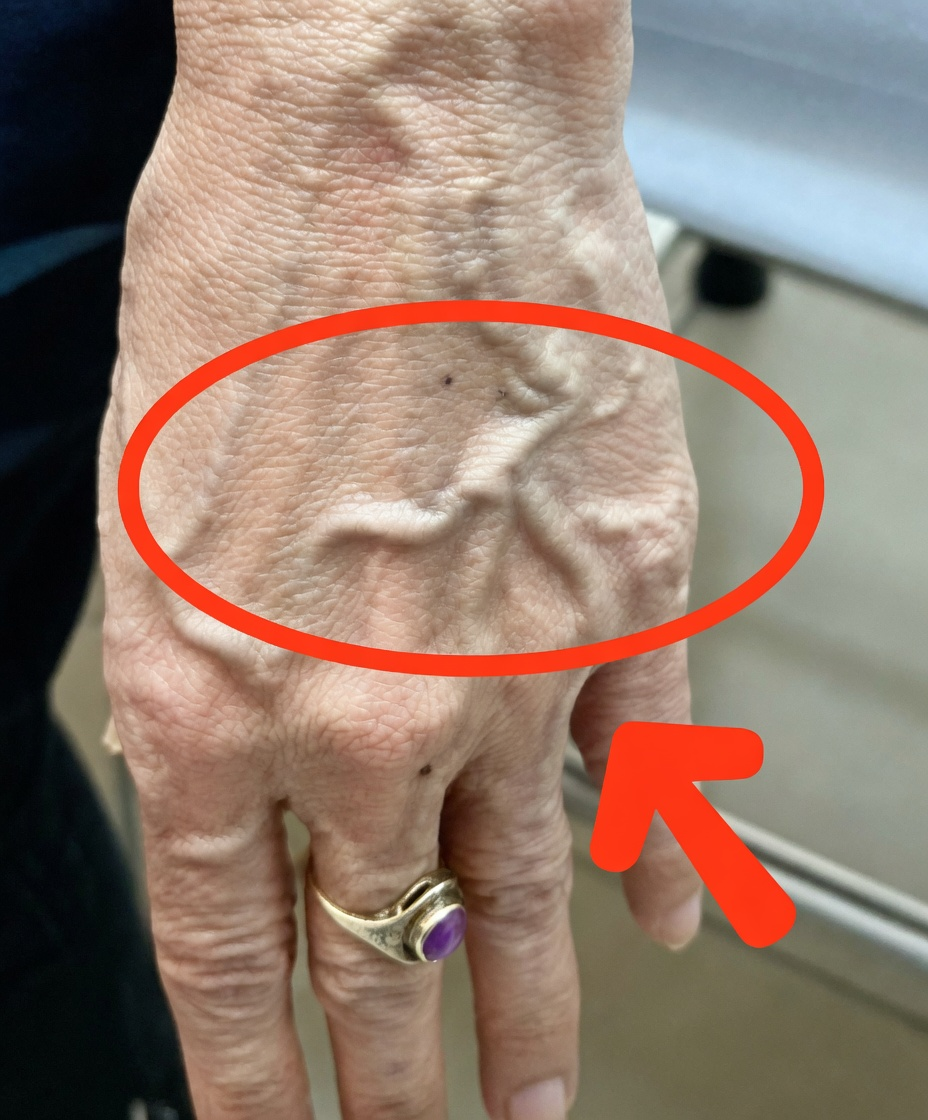
I’ll never forget the morning I glanced down at my legs in the shower and froze. The veins on the backs of my calves looked like thick blue ropes pushing against my skin, something I had never noticed before. At 42, I wasn’t overweight, I exercised regularly, and I had always assumed visible veins were something that only happened to bodybuilders or pregnant women. That sudden change sent me straight to Google in a panic, typing every variation of “why are my veins bulging out of nowhere.” What I learned surprised me: sometimes it’s completely harmless, but other times it’s your body waving a red flag you shouldn’t ignore. The good news is that understanding the real reasons can save you a lot of worry and, in some cases, protect your health long before a serious problem develops.
Bulging veins happen when blood vessels near the surface of the skin become more prominent, either because the veins themselves are enlarged or because the layer of fat and skin covering them has thinned. It’s not always about age. I discovered that even young, fit people can wake up one day and see them clearly, especially after certain lifestyle shifts. The most common innocent trigger is simply dehydration. When your body doesn’t have enough fluid, blood volume drops and veins have to work harder to push blood back to the heart. They dilate and stand out more, particularly on the hands, arms, and legs. I had been ramping up my workouts and cutting back on water without realizing it. Once I started drinking a full glass the moment I woke up and carried a bottle everywhere, those veins calmed down within days.
Heat is another sneaky culprit that catches most people off guard. Hot weather or even a long, steamy shower makes blood vessels expand so the body can release heat. If you’re fair-skinned or have naturally thin skin, those veins become impossible to miss. I live in a warm climate and noticed my hands looked veiny every afternoon until I started wearing loose sleeves and staying hydrated during the hottest hours. It’s not dangerous on its own, but it’s your body’s way of saying it needs a little extra support when the temperature rises.
Exercise, especially strength training and high-intensity workouts, can also make veins pop overnight. When you lift heavy or push hard, blood flow increases dramatically and the muscles around the veins contract, pressing them closer to the surface. Bodybuilders chase this look on purpose, but for the rest of us it can feel alarming the first time it happens. I started noticing it on my arms after adding weights to my routine. My trainer explained it was just increased vascularity from better circulation and lower body fat. As long as there’s no pain or swelling, it’s usually a sign your fitness plan is working.
Weight loss is another big one that surprises people who think they’re doing everything right. When you lose fat, the padding that once hid your veins disappears, making them appear larger and more visible. I dropped fifteen pounds last year and suddenly had roadmap legs. It felt like a setback until I realized it was actually proof my body was getting leaner. The veins weren’t new—they were just finally visible. Adding some targeted leg exercises helped smooth the look without gaining the weight back.
Aging plays a role too, but not in the way most of us assume. After 40, skin naturally loses collagen and elasticity, becoming thinner and more transparent. At the same time, vein walls lose some of their strength, allowing them to bulge slightly. Genetics make a huge difference here—if your parents or grandparents had prominent veins, you’re more likely to see them too. I started using a simple daily moisturizer with hyaluronic acid and noticed the skin on my hands looked plumper and the veins less dramatic within a month.
Sometimes, though, sudden bulging veins are more than cosmetic. They can signal circulation problems, such as early varicose veins or even a blood clot if one leg is suddenly much more affected than the other. Pain, warmth, redness, or swelling alongside the visible veins means it’s time to see a doctor right away. I learned this the hard way when a friend ignored a hot, swollen calf and ended up in the ER with a clot. Catching issues early can prevent bigger complications down the road.
Hormonal changes can also make veins more noticeable almost overnight. Pregnancy, menopause, or even starting or stopping certain birth control can cause veins to dilate. During pregnancy the extra blood volume and pressure on the lower body make leg veins stand out, but the same thing can happen during perimenopause when estrogen levels fluctuate. Tracking your cycle or hormone shifts can help you connect the dots instead of panicking.
The best part is that most of the time you can improve the appearance and support your vein health with simple daily habits. Staying hydrated, elevating your legs for ten minutes at the end of the day, wearing compression socks on long flights or workdays, and avoiding long periods of standing or sitting all make a measurable difference. Adding foods rich in flavonoids—like berries, citrus, leafy greens, and dark chocolate—helps strengthen vein walls naturally. I added a daily handful of blueberries and noticed my legs felt less heavy by the end of the week.
If the veins are painful, changing color, or accompanied by itching or ulcers, don’t wait it out. A quick visit to a vascular specialist or even your regular doctor can rule out anything serious and give you peace of mind. Modern treatments are quick and minimally invasive if something does need attention, so there’s no reason to live with discomfort.
Visible veins might feel alarming when they appear suddenly, but in most cases they’re your body’s way of telling you it needs a little extra care—more water, better movement, or simply more attention to the skin covering them. I went from worrying every time I looked in the mirror to feeling confident in shorts again once I understood what was really happening. Your veins don’t have to control how you feel about your body. Listen to the signals, make the easy adjustments, and you’ll usually see improvement without any drama.
The next time you notice those veins standing out, take a breath and remember they’re not always a warning sign of something terrible. Sometimes they’re just your body asking for the simple things it needs to keep running smoothly for years to come. Stay curious, stay hydrated, and give your circulation the respect it deserves—you’ll thank yourself later.
Most Popular!
-
 Eggs, Cholesterol, and Timing: What Actually Matters for Most People
-
When a Partner Leaves With More Than a Suitcase: Protecting Yourself From Financial Betrayal
-
When Financial Support Meets Contempt: Recognizing Exploitation Inside a Marriage
-
Why Some Sensory Toys and Household “Hacks” Do Not Belong in the Microwave
-
When Grief Clouds Judgment: Misreading Silence and the Quiet Ways People Show Care
-
When One Partner Does All the Hosting: Recognizing Imbalance Before Resentment Takes Over
-
How Many Holes Are in a T-Shirt? What a Simple Puzzle Reveals About How We See
-
The Quiet Stories Inside Secondhand Objects: When a Thrift-Store Find Carries Someone Else’s History