I was killing time on my phone during a long layover when the quiz popped up: four photos of couples, each one smiling in a different way, and one simple question — “Which couple looks the happiest?” I almost scrolled past it, but something made me pause. I stared at the images for a full minute, then tapped the one that felt right. The result hit me harder than I expected. It wasn’t just a fun game. It named something about me I had never put into words before, and it explained why my relationships always follow the same quiet pattern. That single choice cracked open a door I didn’t even know was closed.
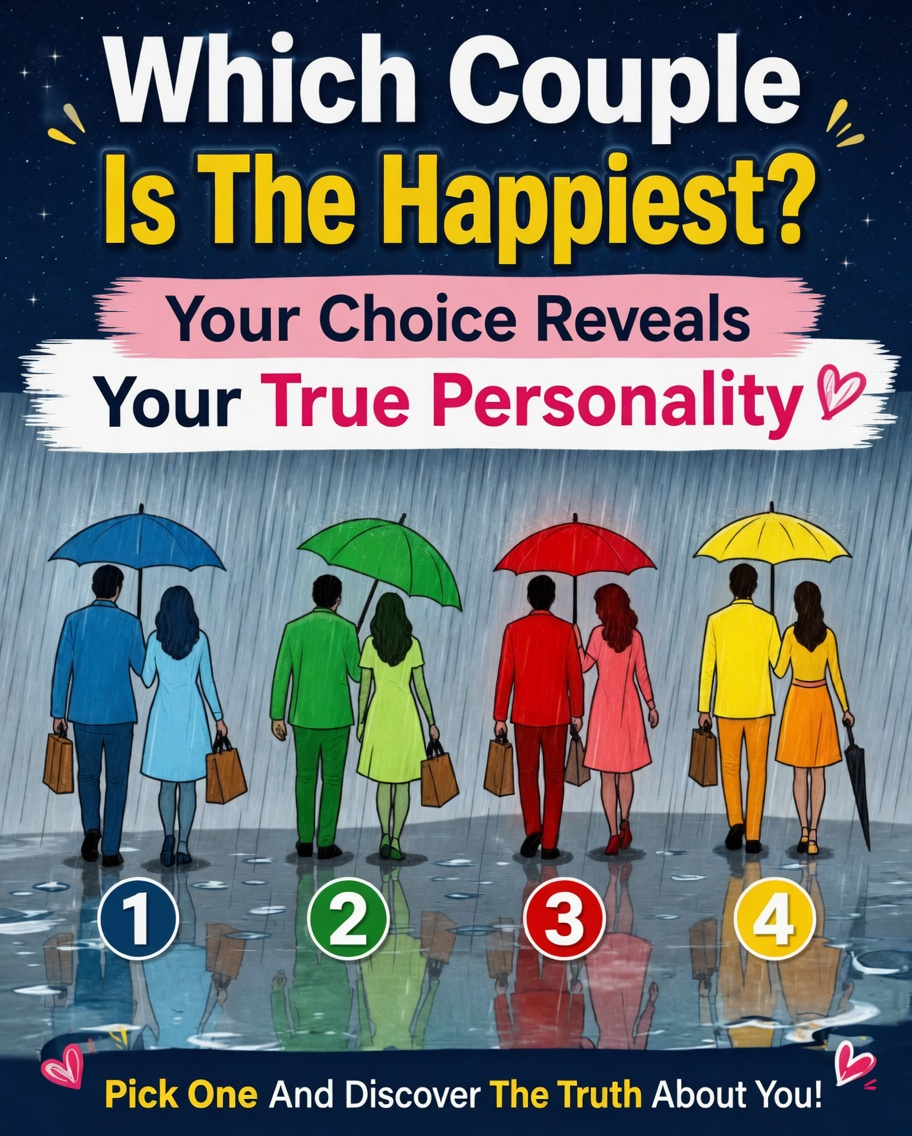
The test has gone viral for a reason. It shows four very different couples and asks you to pick the one that seems truly happiest. No tricks, no long questionnaire — just your gut reaction. What most people don’t realize is that the image you’re drawn to says far more about your own emotional wiring than about the couples themselves. It reveals how you define happiness, what you crave in love, and the hidden patterns that shape every relationship you’ve ever had. I’ve watched friends take it, and every single time the result feels eerily accurate. One friend laughed and said, “It’s like the quiz knows me better than my therapist.”
The first couple is the adventurous pair — backpacks on, standing on a mountain peak at sunrise, laughing like the whole world belongs to them. If you chose this one, your personality is wired for excitement and growth. You believe real happiness comes from shared experiences, pushing boundaries, and never getting stuck in routine. You’re the friend who books spontaneous trips and falls for people who make life feel bigger. Deep down you fear boredom more than almost anything, and you measure love by how alive it makes you feel.
The second couple is the cozy homebodies — curled up on a couch with blankets and books, soft lighting, the kind of quiet contentment that feels like a warm hug. Choosing this image usually means you’re someone who finds happiness in safety, deep emotional connection, and the simple joy of just being together. You’re loyal, steady, and you value peace over fireworks. Your relationships tend to last because you show up consistently, even when the spark isn’t flashy. You secretly worry that needing stability makes you “boring,” but the truth is it makes you a safe harbor for the people you love.
The third couple looks intense — they’re mid-laugh but also mid-argument, eyes locked, hands gesturing, the kind of passionate energy that feels electric. If this one called to you, your personality thrives on depth, honesty, and emotional intensity. You don’t do surface-level. You believe real love means fighting for each other, saying the hard things, and never shying away from conflict. You’re the person who stays up until 3 a.m. talking about feelings, and you’d rather have a raw, messy connection than a polite, distant one. The quiz picks up that you’re passionate and unafraid of vulnerability — even when it scares everyone else.
The fourth couple is the quiet supporters — standing side by side, not touching, but looking at each other with the kind of gentle understanding that only comes from years of really knowing someone. People who choose this often have a personality that values respect, independence, and unspoken loyalty. You don’t need constant reassurance or grand gestures. You believe happiness in love comes from two whole people choosing each other every day without losing themselves. You’re calm, self-aware, and you tend to attract partners who respect your need for space as much as your need for closeness.
I chose the quiet supporters. The result told me I’m someone who finds happiness in mutual respect and quiet reliability rather than constant excitement or drama. It explained why I’ve always felt drained by partners who needed endless reassurance and why my longest relationship felt peaceful even when it wasn’t perfect. For the first time I saw my “low-maintenance” style not as a flaw but as a strength — I don’t chase butterflies because I know real connection feels like calm water, not a storm.
What makes this test so powerful is that it bypasses what you think you should want and goes straight to what your heart actually lights up for. I’ve taken dozens of personality quizzes over the years, but none ever felt this personal. It doesn’t label you as “introvert” or “extrovert.” It shows you what kind of love actually fills your cup, and that insight can change how you date, how you show up in your current relationship, and even how you talk to your partner about what you need.
If you haven’t taken it yet, try it with complete honesty. Don’t overthink. Just look at the four couples and pick the one that feels happiest to you. Then read the description slowly. You might laugh at how accurate it is, or you might feel a little exposed. Either way, you’ll walk away understanding yourself a little better. And in a world that constantly tells us what happiness should look like, that kind of self-knowledge is rare and valuable.
I’ve started showing the test to friends on double dates and family gatherings. The conversations that follow are some of the best we’ve ever had — honest, funny, and surprisingly deep. One friend realized she keeps choosing partners who match the adventurous couple because she’s scared of real intimacy. Another saw that her marriage had quietly become the quiet supporters and felt proud instead of bored for the first time in years. The quiz doesn’t just entertain. It gently holds up a mirror.
The real gift is realizing that there is no single “right” kind of happy couple. Every image represents a different way of loving, and every way is valid. What matters is knowing which one feels like home to you. Once you see it clearly, you stop chasing relationships that look good on paper and start building the one that actually fits your heart.
So go ahead — scroll through the four couples and pick the happiest one. The answer might just hand you the missing piece you’ve been looking for in your own love story. I know it did for me. And I’ve never looked at my own relationships the same way again.
Most Popular!
-
 Eggs, Cholesterol, and Timing: What Actually Matters for Most People
-
When a Partner Leaves With More Than a Suitcase: Protecting Yourself From Financial Betrayal
-
When Financial Support Meets Contempt: Recognizing Exploitation Inside a Marriage
-
Why Some Sensory Toys and Household “Hacks” Do Not Belong in the Microwave
-
When Grief Clouds Judgment: Misreading Silence and the Quiet Ways People Show Care
-
When One Partner Does All the Hosting: Recognizing Imbalance Before Resentment Takes Over
-
How Many Holes Are in a T-Shirt? What a Simple Puzzle Reveals About How We See
-
The Quiet Stories Inside Secondhand Objects: When a Thrift-Store Find Carries Someone Else’s History