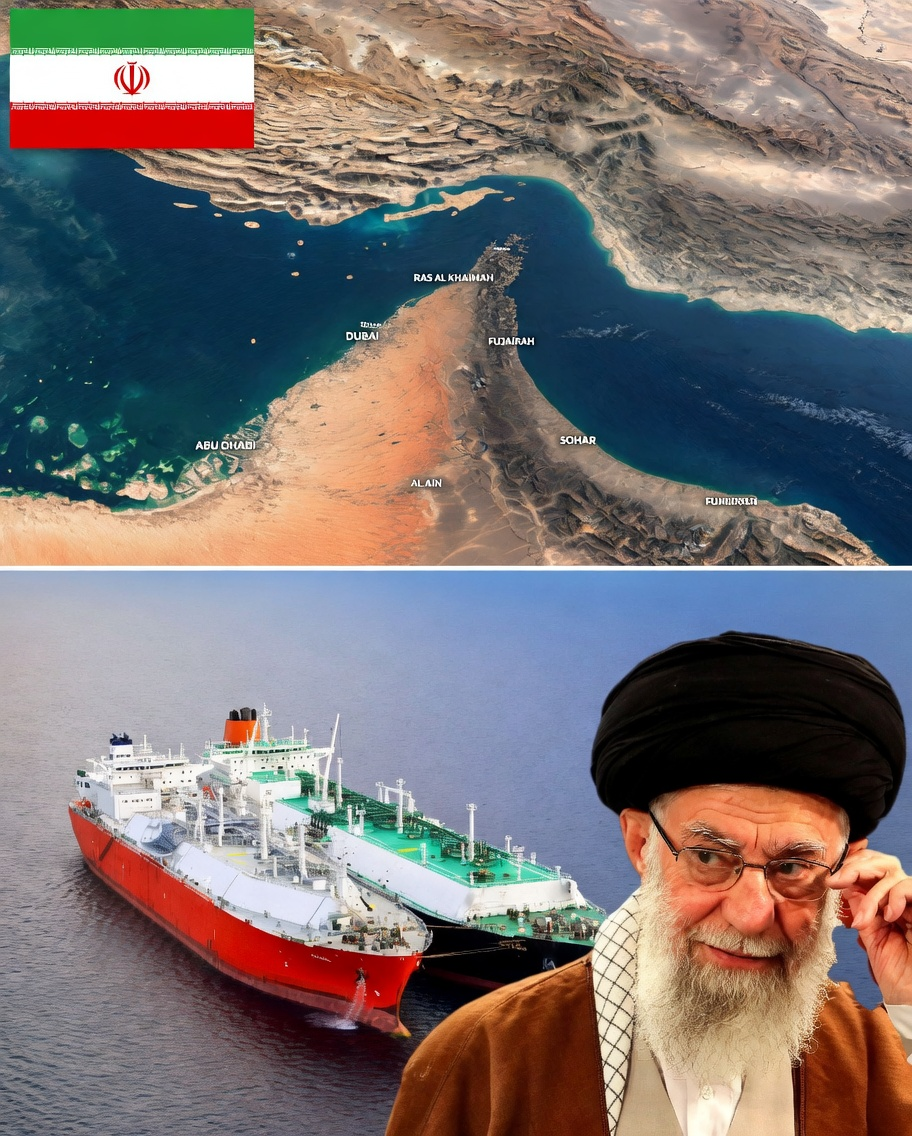
The Strait of Hormuz has always been a ticking time bomb for the global economy, but this week it exploded into full crisis mode. Iran’s parliament has taken aggressive steps toward formalizing control over this narrow waterway, through which roughly 20% of the world’s oil supply flows every single day. What started as heated rhetoric has now escalated into concrete legislative moves that could strangle global energy markets, send oil prices skyrocketing, and trigger economic chaos on a scale not seen in decades.
For anyone following energy news, the Strait of Hormuz is the most critical chokepoint on the planet. Located between Iran and Oman, this narrow passage connects the Persian Gulf to the Gulf of Oman and the Arabian Sea. Tankers carrying crude oil from Saudi Arabia, Iraq, the UAE, Kuwait, and Qatar must pass through it. On any given day, millions of barrels of oil — along with massive amounts of liquefied natural gas — transit this vulnerable stretch of water. A serious disruption here doesn’t just affect the Middle East. It ripples through every economy on Earth.
The latest parliamentary actions in Iran include proposals to impose steep transit fees, restrict passage for vessels from “hostile” nations, and potentially limit overall traffic. Lawmakers have framed these measures as responses to ongoing regional tensions and foreign interference. While full closure remains a decision for higher authorities, the mere threat has already caused shipping companies to reroute vessels, insurance premiums to surge, and oil traders to panic-buy. Early reports show tanker traffic through the strait dropping dramatically, with some days seeing near standstill conditions.
The immediate market reaction has been brutal. Global oil prices have spiked sharply, with Brent crude jumping into triple digits in some trading sessions. Energy analysts warn that prolonged disruption could push prices even higher, potentially reaching levels not seen since the 1970s oil crises. For consumers, this translates to higher gasoline prices, increased heating costs, and broader inflationary pressure. Airlines, shipping companies, and manufacturers that rely on affordable fuel are already sounding alarms about potential supply chain breakdowns and job losses.
The economic stakes could not be higher. Many countries depend heavily on stable oil flows from the Gulf. Europe, Asia, and even parts of the United States would feel the pain almost immediately. Stock markets have reacted with volatility, with energy stocks soaring while transportation and consumer sectors take hits. Developing nations that import most of their energy are particularly vulnerable, facing the risk of fuel shortages and economic instability that could lead to social unrest.
Geopolitically, the situation is incredibly delicate. The United States and its allies have repeatedly stated that freedom of navigation through the strait is a red line. Naval forces in the region are on heightened alert, with calls for international coalitions to ensure safe passage. Iran, meanwhile, maintains that it has sovereign rights over the waterway and accuses foreign powers of provocation. The rhetoric from all sides has raised fears that a single miscalculation could turn economic pressure into outright military confrontation.
For everyday people, the effects are already starting to appear. Gas stations in some regions have seen price surges and longer lines. Businesses are bracing for higher shipping and production costs that will eventually reach consumers. Families are feeling the pinch at the pump and in their utility bills. Economists warn that if the situation drags on for weeks or months, the global economy could tip into recession territory, with job losses and slowed growth hitting vulnerable populations hardest.
This crisis also highlights the urgent need for energy diversification. Countries around the world are being reminded why relying so heavily on a single chokepoint is dangerous. Investments in renewable energy, domestic production, and alternative shipping routes have suddenly gained new importance. The events in the Strait of Hormuz may accelerate the global transition away from fossil fuel dependence faster than any climate agreement ever could.
As tensions continue, the world watches and waits. Diplomats are working behind the scenes to de-escalate, shipping companies are rerouting at massive extra cost, and energy markets remain on edge. The Iranian parliament’s moves have turned an already volatile region into the focal point of global attention. What happens next in those narrow waters could determine the economic fate of billions of people.
The lesson here is clear: strategic waterways like the Strait of Hormuz are the arteries of the modern world. When they face blockage, the entire global body feels the strain. Families filling up their cars, businesses managing supply chains, and governments balancing budgets are all connected through this critical passage. As the situation develops, one thing remains certain — the world can no longer afford to take smooth oil flows for granted. The stakes are simply too high, and the potential consequences too severe.
For now, the best hope lies in swift diplomatic resolution before economic pain turns into something even more dangerous. The coming days and weeks will test international cooperation like few events in recent history. The global economy is holding its breath, waiting to see whether the world’s most critical oil artery stays open — or becomes the spark that ignites far greater chaos.
Most Popular!
-
 Eggs, Cholesterol, and Timing: What Actually Matters for Most People
-
When a Partner Leaves With More Than a Suitcase: Protecting Yourself From Financial Betrayal
-
When Financial Support Meets Contempt: Recognizing Exploitation Inside a Marriage
-
Why Some Sensory Toys and Household “Hacks” Do Not Belong in the Microwave
-
When Grief Clouds Judgment: Misreading Silence and the Quiet Ways People Show Care
-
When One Partner Does All the Hosting: Recognizing Imbalance Before Resentment Takes Over
-
How Many Holes Are in a T-Shirt? What a Simple Puzzle Reveals About How We See
-
The Quiet Stories Inside Secondhand Objects: When a Thrift-Store Find Carries Someone Else’s History