That nagging stomach pain you keep brushing off as “something I ate” or “just stress” might be your body waving a red flag. While most of us reach for antacids or blame last night’s takeout, certain types of abdominal discomfort can signal something far more serious hiding beneath the surface. The scary truth is that what feels like ordinary digestive trouble is sometimes the first warning sign of life-threatening conditions that progress silently until they become much harder to treat.
One of the most deceptive culprits is pancreatic cancer. Often called the “silent killer,” it frequently presents with vague upper abdominal pain that radiates to the back. Many patients describe it as a dull ache that worsens after eating or when lying down. Because the pancreas sits deep in the abdomen, tumors can grow for months or even years before causing noticeable symptoms. By the time the pain becomes persistent enough to seek help, the disease has often advanced beyond early, more treatable stages. This is why pancreatic cancer has one of the lowest survival rates among major cancers — early detection remains incredibly difficult.
Gallbladder issues represent another common but frequently overlooked source of “simple” stomach pain. Gallstones or inflammation can cause sharp, cramping pain in the upper right abdomen, often after fatty meals. What makes this particularly dangerous is how easily symptoms get dismissed as indigestion. Untreated gallbladder disease can lead to serious complications including infection, pancreatitis, or even rupture. Many people suffer for years with intermittent pain before finally seeking care, only to discover significant damage has already occurred.
Chronic liver conditions can also masquerade as ordinary stomach discomfort. Early-stage liver disease often produces a vague fullness or aching in the upper abdomen, sometimes accompanied by fatigue or mild nausea. Because the liver has an incredible ability to compensate, symptoms may remain subtle until significant damage has taken place. Conditions like non-alcoholic fatty liver disease are rising dramatically with modern diets and sedentary lifestyles, yet many people remain unaware until routine blood work reveals elevated liver enzymes.
Endometriosis and other gynecological conditions frequently cause abdominal pain that gets misattributed to digestive issues. For women, severe cramping, bloating, and pelvic pain can extend into the stomach area, leading to years of incorrect treatments for IBS or food sensitivities. The delay in proper diagnosis can result in infertility, chronic pain, and reduced quality of life. Many women report seeing multiple doctors and undergoing countless tests before finally receiving answers that explain years of mysterious symptoms.
Even heart problems can present with stomach pain rather than the classic chest discomfort we expect. This is particularly true in women and older adults. What feels like severe indigestion or pressure in the upper abdomen can actually be angina or the early stages of a heart attack. This atypical presentation often leads to dangerous delays in seeking emergency care, with patients attributing symptoms to something they ate rather than a cardiac emergency.
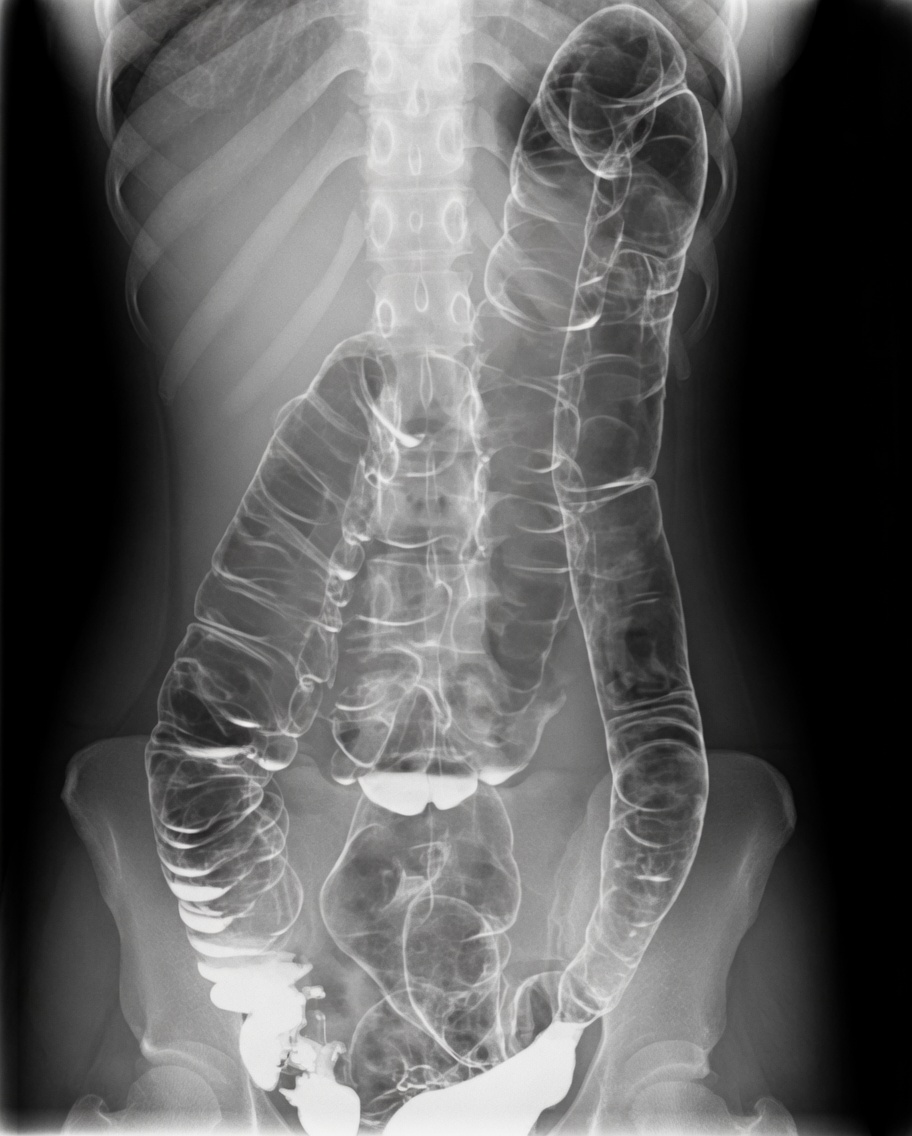
The rise of colorectal cancer in younger adults has added another layer of urgency to taking persistent stomach pain seriously. What used to be considered a disease of older populations is increasingly appearing in people in their 30s and 40s. Changes in bowel habits, unexplained weight loss, fatigue, and abdominal discomfort that doesn’t resolve can all be warning signs. Early detection through screening can dramatically improve outcomes, yet many younger adults dismiss symptoms as stress or diet-related.
Autoimmune conditions like Crohn’s disease and ulcerative colitis often begin with vague abdominal pain that comes and goes. Because symptoms can be intermittent, patients may suffer for years before receiving a proper diagnosis. The inflammation these conditions cause can lead to serious complications including malnutrition, intestinal damage, and increased cancer risk if left untreated. Recognizing the pattern of pain, especially when accompanied by other digestive changes, is crucial for early intervention.
Even seemingly benign conditions like small intestinal bacterial overgrowth (SIBO) or food intolerances can cause significant pain and discomfort while contributing to nutrient deficiencies and systemic inflammation. The key is paying attention to patterns rather than isolated incidents. Pain that consistently occurs after certain foods, at specific times of day, or in particular positions deserves medical investigation rather than repeated self-treatment.
The most important message here is that persistent or unusual stomach pain should never be ignored, especially when accompanied by other symptoms like unexplained weight loss, changes in bowel habits, blood in stool, jaundice, or severe fatigue. While most abdominal discomfort does turn out to be benign, erring on the side of caution can literally save lives. Modern diagnostic tools including advanced imaging, blood tests, and endoscopic procedures can detect many serious conditions long before they become emergencies.
Taking control of your digestive health starts with listening to your body and being willing to seek proper medical evaluation when something feels consistently wrong. Maintaining a food and symptom journal can help identify patterns that might otherwise go unnoticed. Working with healthcare providers who take abdominal pain seriously rather than dismissing it as “just stress” makes all the difference in getting accurate diagnoses and effective treatment.
Your stomach pain might be nothing serious. But it also might be your body’s way of asking for help before a small problem becomes a major crisis. The difference between early detection and late-stage discovery can be measured in quality of life, treatment options, and survival rates. Don’t let fear or embarrassment keep you from getting answers. Your future self will thank you for taking that persistent discomfort seriously today.
The human body is remarkably good at sending signals when something isn’t right. Learning to listen to those signals — especially when they involve persistent abdominal pain — could be one of the most important health decisions you ever make. The next time your stomach hurts and the usual remedies don’t help, consider that your body might be trying to tell you something important. Getting it checked isn’t being dramatic. It’s being responsible for the one body you’ll have for your entire life.
Most Popular!
-
 The Ultimate Wedding Revenge: When the Mother Who Abandoned Her Six Daughters Showed Up with Her Millionaire Boss, the Bride Opened a Box That Destroyed Lives Forever
-
The Beach Shaming Disaster: What My 8-Year-Old Said to the Prying Stranger Left Everyone Speechless
-
My Husband Abandoned Me With Twin Babies for a Luxury Fishing Trip — When He Returned, I Had Already Packed His Bags
-
The Three-Dollar Miracle: How a Dust-Covered Vase Revealed a Heartbreaking Decades-Old Secret
-
The $80,000 Battle to Erase a Birthmark: Why One Mother Risked Everything for Her Daughter’s Future
-
The Silent Thief: Why Millions of Men Are Living with a Time Bomb They Can’t See
-
The Final Curtain Falls: Beloved Sanford and Son Legend Hal Williams Gone at 91
-
Found at a Yard Sale: This “Useless” Vintage Contraption Is Actually a Forgotten Piece of Human History