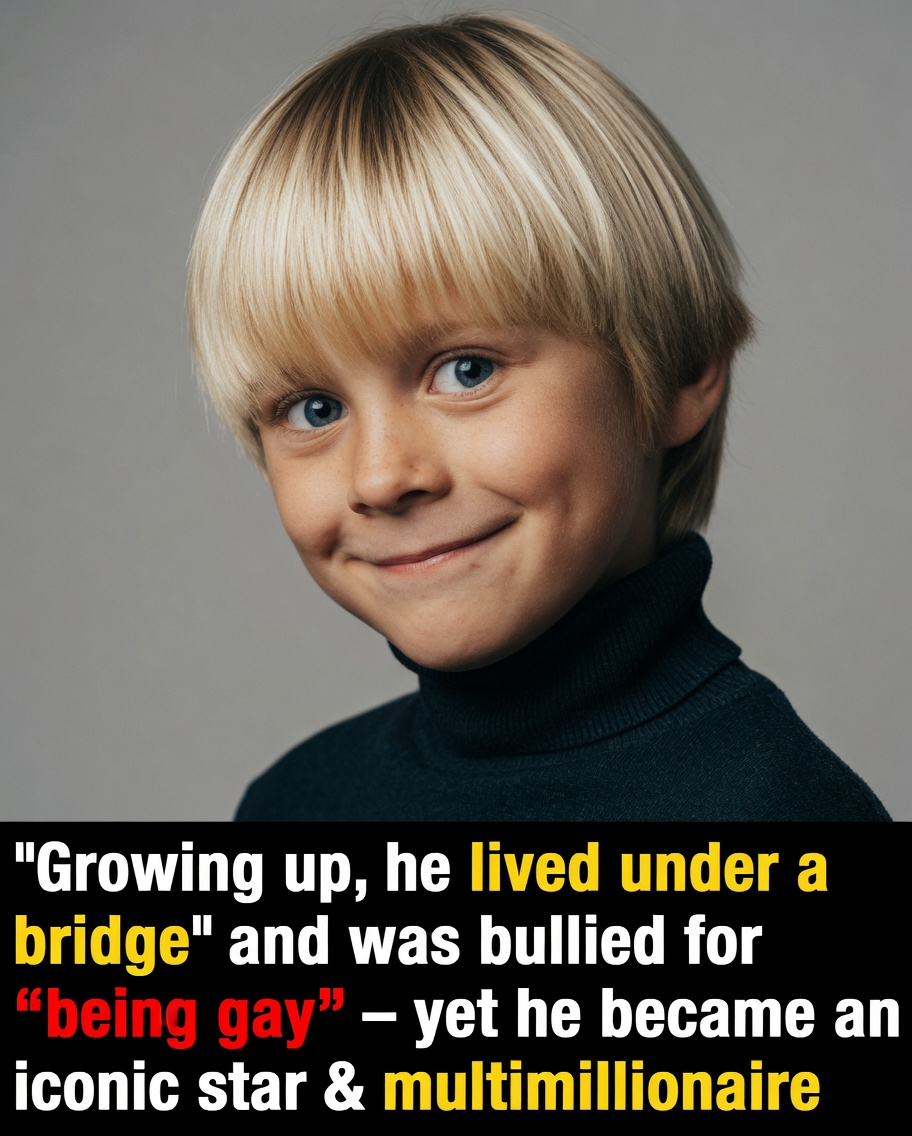
Some legends burn brighter and faster than the rest of us can comprehend. Kurt Cobain was one of those rare souls — a sensitive, rebellious kid from a small logging town who accidentally became the voice of a generation. With his messy blonde hair, torn jeans, and raw, anguished lyrics, he captured the disillusionment of millions. But behind the screaming guitars and the global fame was a deeply wounded man whose inner pain eventually became too heavy to carry. His story is not just about music. It’s about how success can sometimes be the most dangerous thing that ever happens to a fragile heart.
Born on February 20, 1967, in Aberdeen, Washington, Kurt’s early life was far from the rockstar fairy tale people later imagined. His parents’ bitter divorce when he was nine shattered the stability he craved. He bounced between homes, feeling like an outsider in each one. School became a battleground. Bullied for being sensitive and artistic, he retreated deeper into music and drawing. By his teens, he was already writing songs that channeled the anger and loneliness he couldn’t express any other way. That pain would later fuel some of the most honest music of the era, but it also planted seeds that would eventually destroy him.
When Nirvana released Nevermind in 1991, the world wasn’t ready for what hit it. “Smells Like Teen Spirit” exploded like a cultural bomb, turning underground grunge into mainstream revolution. Kurt went from sleeping on friends’ couches to selling millions of records overnight. The shy, sarcastic kid from Aberdeen suddenly found himself on magazine covers, award stages, and in the homes of millions. For a brief moment, it must have felt like validation — the proof that his voice mattered, that his pain had purpose. But fame came with a darkness he was never equipped to handle.
The pressure was relentless. Kurt hated being labeled the spokesman for Generation X. He struggled with chronic stomach pain that no doctor could fully explain, leading him to self-medicate with heroin. His marriage to Courtney Love became tabloid fodder, their relationship painted as both passionate and toxic. The birth of their daughter Frances Bean brought joy, but also intense scrutiny and fear that he couldn’t be the father he wanted to be. Behind the rebellious image and the shredded guitars was a man battling severe depression, addiction, and the crushing weight of expectations he never asked for.
On April 5, 1994, at just 27 years old, Kurt Cobain died by suicide in his Seattle home. The note he left spoke of love for his family, exhaustion with the music industry, and a deep sense of disconnection from the person the world thought he was. His death sent shockwaves around the globe. Fans gathered in parks and outside his house. Radio stations played his music nonstop. For many, it felt like losing a voice that had spoken their own unspoken pain.
The tragedy of Kurt Cobain wasn’t just his death. It was the way fame amplified every wound he already carried. He wanted connection, authenticity, and freedom from the noise — yet the machine of stardom gave him the opposite. He became a symbol for the very alienation he sang about, trapped in a spotlight that only made the darkness louder. His story remains a haunting reminder that talent and success don’t protect you from inner demons. Sometimes they feed them.
What makes Kurt’s legacy endure isn’t just the music. It’s the honesty. He never pretended to have it all figured out. His lyrics, his interviews, and even his journals showed a man wrestling with the same questions many of us carry — about purpose, identity, and whether we’re enough. In a world that celebrates polished perfection, Kurt gave us permission to be messy, angry, and real. That vulnerability is why his songs still hit so hard decades later.
Today, his influence reaches far beyond grunge. Artists across genres cite him as inspiration. Mental health conversations have grown more open, in part because voices like his helped normalize talking about pain. His daughter Frances continues to honor his memory while carving her own path. And millions of fans still find solace in his music when life feels too heavy.
Kurt Cobain’s life was short, brilliant, and heartbreaking. He conquered the world with nothing but a guitar and a broken heart, only to be consumed by the very forces he tried to escape. His story isn’t a cautionary tale about fame alone. It’s a deeper meditation on how we treat sensitive souls in a harsh world, and how important it is to offer compassion instead of judgment.
If his music ever helped you feel less alone, then his legacy lives on through you. The blonde boy from Aberdeen didn’t just change music — he reminded us that behind every loud scream is often a quiet cry for understanding. And sometimes, that cry echoes long after the music stops.
Rest easy, Kurt. Your pain mattered. Your voice still matters. And the world is a little less lonely because you were here.
Most Popular!
-
 The Ultimate Wedding Revenge: When the Mother Who Abandoned Her Six Daughters Showed Up with Her Millionaire Boss, the Bride Opened a Box That Destroyed Lives Forever
-
The Beach Shaming Disaster: What My 8-Year-Old Said to the Prying Stranger Left Everyone Speechless
-
My Husband Abandoned Me With Twin Babies for a Luxury Fishing Trip — When He Returned, I Had Already Packed His Bags
-
The Three-Dollar Miracle: How a Dust-Covered Vase Revealed a Heartbreaking Decades-Old Secret
-
The $80,000 Battle to Erase a Birthmark: Why One Mother Risked Everything for Her Daughter’s Future
-
The Silent Thief: Why Millions of Men Are Living with a Time Bomb They Can’t See
-
The Final Curtain Falls: Beloved Sanford and Son Legend Hal Williams Gone at 91
-
Found at a Yard Sale: This “Useless” Vintage Contraption Is Actually a Forgotten Piece of Human History