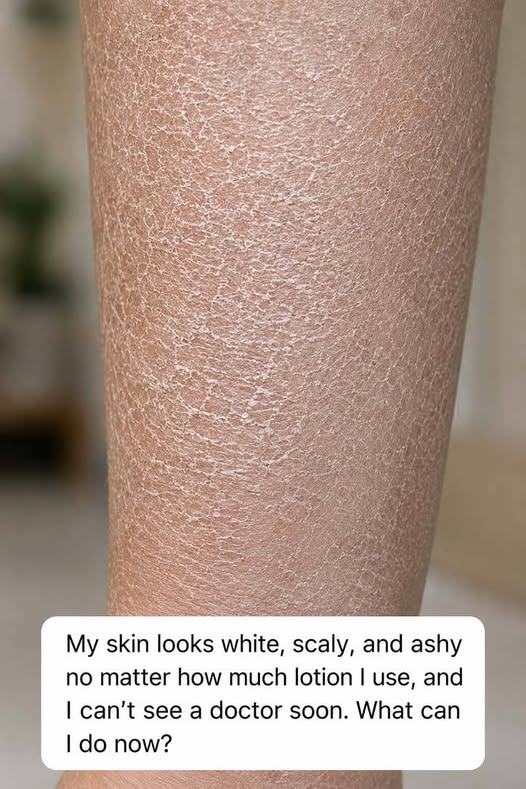
We’ve all been there. You spend good money on a fancy lotion promising deep hydration and silky-smooth skin. You apply it religiously morning and night, yet your elbows still look like alligator hide, your shins are covered in white flakes, and no matter how much you moisturize, the ashiness returns by midday. It’s frustrating, embarrassing, and confusing — especially when the products are marketed as “intensive” or “clinically proven.”
The truth is, most of us are fighting the wrong battle. The problem isn’t that you’re not moisturizing enough. It’s that you’re attacking the symptom while completely ignoring the root cause. That dry, scaly, ashy skin isn’t just surface-level dehydration. It’s often a sign that your skin barrier is compromised, your exfoliation routine is missing, or you’re using the wrong type of moisturizer for your specific skin needs. Once you understand what’s really happening beneath the surface, fixing it becomes surprisingly straightforward — and far more effective than throwing more expensive creams at the problem.
Why Expensive Lotions Often Make Things Worse
Many high-end lotions are formulated with heavy occlusives like petrolatum or dimethicone. These create a temporary barrier that locks in moisture, which feels great at first. But over time, they can actually trap dead skin cells and prevent your skin from naturally shedding. The result? That flaky, scaly buildup many people mistake for “extra dry skin.” Meanwhile, cheaper drugstore lotions are sometimes too lightweight and evaporate quickly, offering little real benefit.
Another common mistake is focusing only on hydration without addressing exfoliation. Dead skin cells build up faster than most people realize, especially on the lower legs, knees, and elbows. If you’re not gently removing that layer, no amount of lotion will penetrate effectively. It’s like trying to water a plant through a thick layer of dead leaves.
The Real Culprits Behind Persistent Ashy Skin
Several hidden factors make dry skin stubborn:
- Over-washing and harsh soaps strip away natural oils and damage the skin barrier.
- Hot showers feel amazing but destroy the lipids that hold moisture in your skin.
- Low humidity environments (especially in winter or air-conditioned rooms) pull moisture out faster than you can replace it.
- Aging skin naturally produces less oil and has a slower cell turnover rate.
- Underlying conditions like eczema, psoriasis, or even diabetes can manifest as chronic dryness.
If your lotion isn’t working, it’s likely because you’re treating the surface while these deeper issues continue unchecked.
The Game-Changing Routine That Finally Works
The solution isn’t another fancy cream. It’s a smarter, multi-step approach that addresses both immediate hydration and long-term skin health:
- Gentle Exfoliation (2–3 times per week) Use a chemical exfoliant with lactic acid or urea rather than harsh scrubs. These dissolve dead skin cells without damaging the barrier. For extra stubborn areas like heels and elbows, a soft pumice stone or foot file after a shower works wonders.
- The Right Moisturizer Ingredients Look for products containing ceramides, hyaluronic acid, glycerin, and shea butter. These actually repair the skin barrier instead of just sitting on top. Thick creams or ointments are better for very dry areas than lightweight lotions.
- The Wet Skin Trick Apply moisturizer within 60 seconds of getting out of the shower while skin is still damp. This locks in existing moisture and dramatically improves absorption.
- Layering Technique For severe dryness, try the “slugging” method: apply your regular moisturizer, then seal it with a thin layer of plain petroleum jelly or a ceramide-rich balm at night.
- Internal Support Dry skin often reflects internal dehydration or nutrient gaps. Drinking more water helps, but adding omega-3 fatty acids (from fish oil or flaxseed) and ensuring adequate vitamin D can make a noticeable difference.
Simple Daily Habits That Make All the Difference
Small changes compound over time:
- Switch to lukewarm showers instead of hot ones.
- Use a humidifier in your bedroom, especially during winter.
- Pat skin dry instead of rubbing.
- Choose fragrance-free, dye-free products if you have sensitive skin.
- Wear breathable fabrics and avoid tight clothing that rubs against dry areas.
When to See a Professional
If your skin doesn’t improve after 2–3 weeks of consistent care, or if you have cracking, bleeding, or intense itching, consult a dermatologist. Persistent dryness can sometimes signal thyroid issues, allergies, or other medical conditions that need proper diagnosis.
The good news? Once you understand the science behind your skin’s needs and stop relying on marketing hype, real, lasting improvement is absolutely possible. Many people who once spent hundreds on fancy lotions with disappointing results now achieve softer, smoother skin with a simpler, more targeted routine.
Your skin doesn’t need more expensive products. It needs consistency, the right ingredients, and a little understanding of how it actually works. Stop fighting the flakes with more lotion and start rebuilding from the inside out. Your future self — and your skin — will thank you.
The battle against ashy, scaly skin isn’t about finding the perfect cream. It’s about working with your skin instead of against it. When you finally crack the code, the transformation isn’t just visible — it’s life-changing. Soft, comfortable, confident skin isn’t a luxury. With the right approach, it’s completely achievable.
Most Popular!
-
 The Ultimate Wedding Revenge: When the Mother Who Abandoned Her Six Daughters Showed Up with Her Millionaire Boss, the Bride Opened a Box That Destroyed Lives Forever
-
The Beach Shaming Disaster: What My 8-Year-Old Said to the Prying Stranger Left Everyone Speechless
-
My Husband Abandoned Me With Twin Babies for a Luxury Fishing Trip — When He Returned, I Had Already Packed His Bags
-
The Three-Dollar Miracle: How a Dust-Covered Vase Revealed a Heartbreaking Decades-Old Secret
-
The $80,000 Battle to Erase a Birthmark: Why One Mother Risked Everything for Her Daughter’s Future
-
The Silent Thief: Why Millions of Men Are Living with a Time Bomb They Can’t See
-
The Final Curtain Falls: Beloved Sanford and Son Legend Hal Williams Gone at 91
-
Found at a Yard Sale: This “Useless” Vintage Contraption Is Actually a Forgotten Piece of Human History