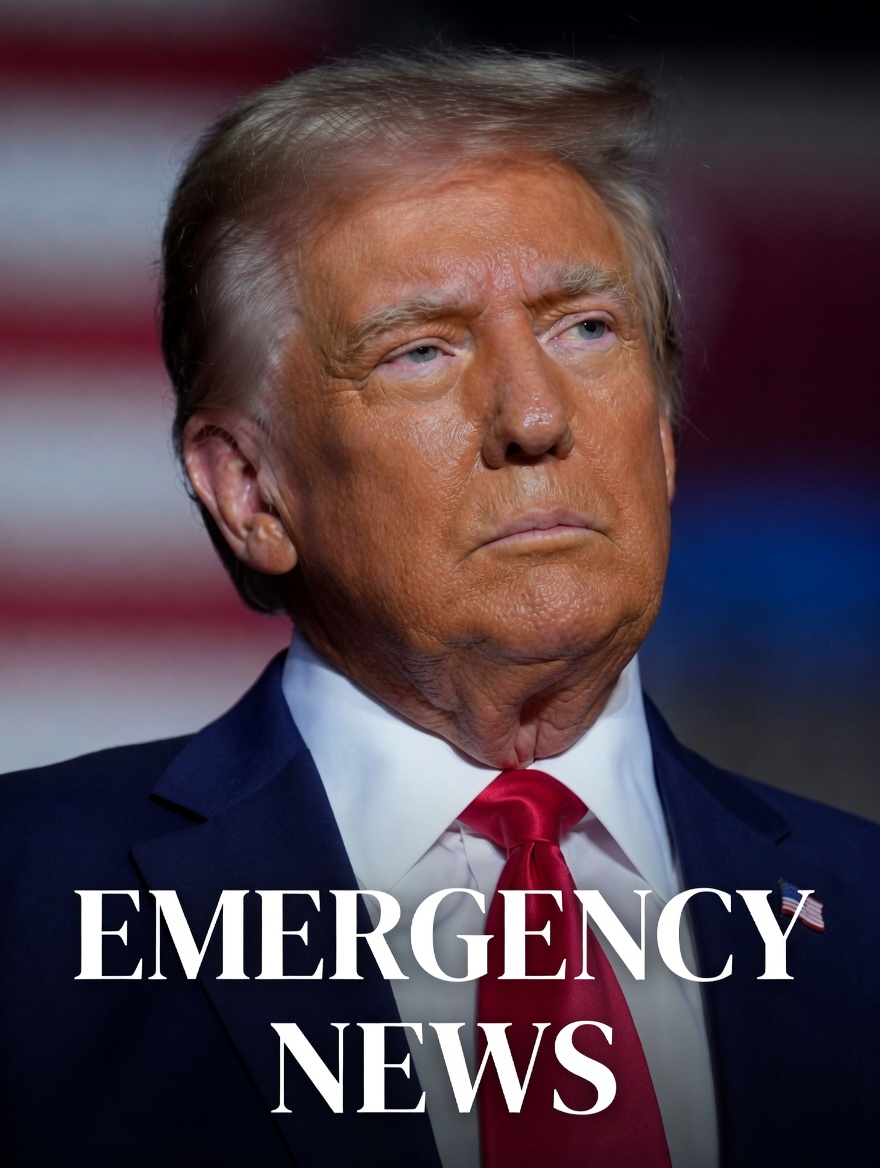
America has always been a nation of strong opinions and deep divisions, but few moments in modern history have tested the country’s unity quite like the ongoing legal challenges facing Donald Trump. As courtrooms across the nation grapple with cases involving everything from classified documents to election-related allegations, the ripple effects are being felt far beyond the legal system. Families are arguing at dinner tables, friendships are ending over social media posts, and trust in institutions seems to be hanging by a thread. What many once viewed as standard accountability is now seen by millions as something far more dangerous — a potential unraveling of the democratic fabric that has held the country together for nearly 250 years.
The sheer volume and intensity of these legal proceedings have created a perfect storm of controversy. Supporters argue that the former and current political figure is being targeted in an unprecedented way, with cases timed suspiciously around elections and driven by political opponents rather than pure justice. They point to what they call selective prosecution, claiming that similar actions by others in power have gone unpunished. On the other side, critics insist that no one, not even a former president, should be above the law. They view the indictments as necessary steps to uphold democratic norms and prevent future abuses of power. This fundamental disagreement has turned court filings into battle cries for both sides.
At the heart of much of the tension are questions about presidential immunity and the limits of executive power. Legal experts have spent countless hours debating where the line should be drawn between protecting a president’s ability to do their job and holding individuals accountable for personal actions. Recent rulings have added fuel to the fire, with some decisions suggesting broad protections while others narrow them significantly. These debates aren’t happening in a vacuum — they’re playing out in living rooms, workplaces, and voting booths across the country, forcing everyday Americans to confront uncomfortable questions about fairness, justice, and what kind of nation they want to live in.
The financial and personal toll on Trump himself has been enormous. Legal fees running into tens of millions, endless court appearances, and the constant media spotlight have created a pressure cooker environment. Yet through it all, his base has remained remarkably loyal, often increasing their support in response to what they perceive as unfair attacks. Fundraising appeals tied to these cases have brought in huge sums, turning legal troubles into a powerful rallying point. Meanwhile, opponents see this resilience as evidence of deeper polarization, where facts matter less than tribal loyalty.
One of the most concerning aspects of this saga is how it has eroded public confidence in core American institutions. Polls consistently show declining trust in the justice system, the courts, and even the rule of law itself. When large segments of the population believe the system is rigged — whether for or against a particular figure — it creates dangerous instability. This loss of faith doesn’t just affect one political party; it weakens the foundation that allows democracy to function. Citizens on both ends of the spectrum express frustration that the constant legal drama distracts from solving real problems like the economy, border security, and healthcare.
The media’s role in amplifying every development has only intensified the national anxiety. Cable news channels and social platforms push breaking updates around the clock, often framing stories in the most dramatic terms possible. This 24/7 coverage keeps emotions high and leaves little room for nuance or calm analysis. Ordinary people find themselves caught in the crossfire, bombarded with conflicting narratives that make it hard to know what to believe. The result is a society that feels perpetually on edge, where every new filing or ruling sparks fresh outrage rather than thoughtful discussion.
Looking deeper, these legal battles highlight bigger questions about power, accountability, and forgiveness in American politics. History shows that the country has weathered scandals before, from Watergate to impeachment proceedings against multiple presidents. Yet today’s environment feels different because of hyper-partisanship and instant communication. What happens in one courtroom can instantly mobilize millions, leading to protests, threats, and increased security concerns. Law enforcement and judicial officials now face unprecedented pressure, with some receiving protection due to potential backlash from high-profile decisions.
For average citizens, the impact extends into daily life in surprising ways. Investment decisions, business relationships, and even personal safety can feel tied to the unpredictable outcomes of these cases. Families with mixed political views report higher levels of stress and avoidance of certain topics altogether. Young people entering the workforce or starting families wonder about the stability of the country they’re inheriting. This widespread unease goes beyond politics — it touches on fundamental hopes for a peaceful, functioning society where disagreements don’t lead to chaos.
Experts from across the political spectrum agree on one thing: the resolution of these matters will have lasting consequences. If the cases result in convictions, it could set new precedents about presidential conduct and accountability. If they end in acquittals or dismissals, it might reinforce beliefs that the system protects the powerful. Either path carries risks of further division. The challenge lies in finding ways to address legitimate legal questions without turning the process into a weapon that destroys public trust.
There’s also an important conversation happening about healing and moving forward as a nation. Some voices call for unity through shared values like fairness and respect for institutions, regardless of the final outcomes. Others worry that without clear accountability, future leaders might feel emboldened to test boundaries even further. The balance between justice and stability is delicate, requiring wisdom from leaders, judges, and citizens alike. History teaches that nations survive crises when people prioritize the greater good over immediate partisan victories.
As these legal proceedings continue to unfold, they serve as a mirror reflecting America’s deepest challenges. The country has faced division before and emerged stronger, but today’s stakes feel particularly high because of the speed and reach of information. Every American has a role to play in deciding whether these battles will tear the nation apart or ultimately strengthen its commitment to the rule of law. The coming months and years will test not just one man’s fate, but the resilience of the democratic experiment itself.
In the end, what matters most is whether the United States can navigate these turbulent waters while preserving the principles that have defined it for generations. Respect for differing views, commitment to truth-seeking, and dedication to a fair system aren’t just nice ideas — they’re essential for any society hoping to endure. The legal reckoning facing Donald Trump has exposed raw nerves, but it also offers an opportunity for reflection on what kind of country Americans want to build together. The path forward won’t be easy, but history shows that unity born from adversity is often the strongest kind.
Most Popular!
-
 The Ultimate Wedding Revenge: When the Mother Who Abandoned Her Six Daughters Showed Up with Her Millionaire Boss, the Bride Opened a Box That Destroyed Lives Forever
-
The Beach Shaming Disaster: What My 8-Year-Old Said to the Prying Stranger Left Everyone Speechless
-
My Husband Abandoned Me With Twin Babies for a Luxury Fishing Trip — When He Returned, I Had Already Packed His Bags
-
The Three-Dollar Miracle: How a Dust-Covered Vase Revealed a Heartbreaking Decades-Old Secret
-
The $80,000 Battle to Erase a Birthmark: Why One Mother Risked Everything for Her Daughter’s Future
-
The Silent Thief: Why Millions of Men Are Living with a Time Bomb They Can’t See
-
The Final Curtain Falls: Beloved Sanford and Son Legend Hal Williams Gone at 91
-
Found at a Yard Sale: This “Useless” Vintage Contraption Is Actually a Forgotten Piece of Human History