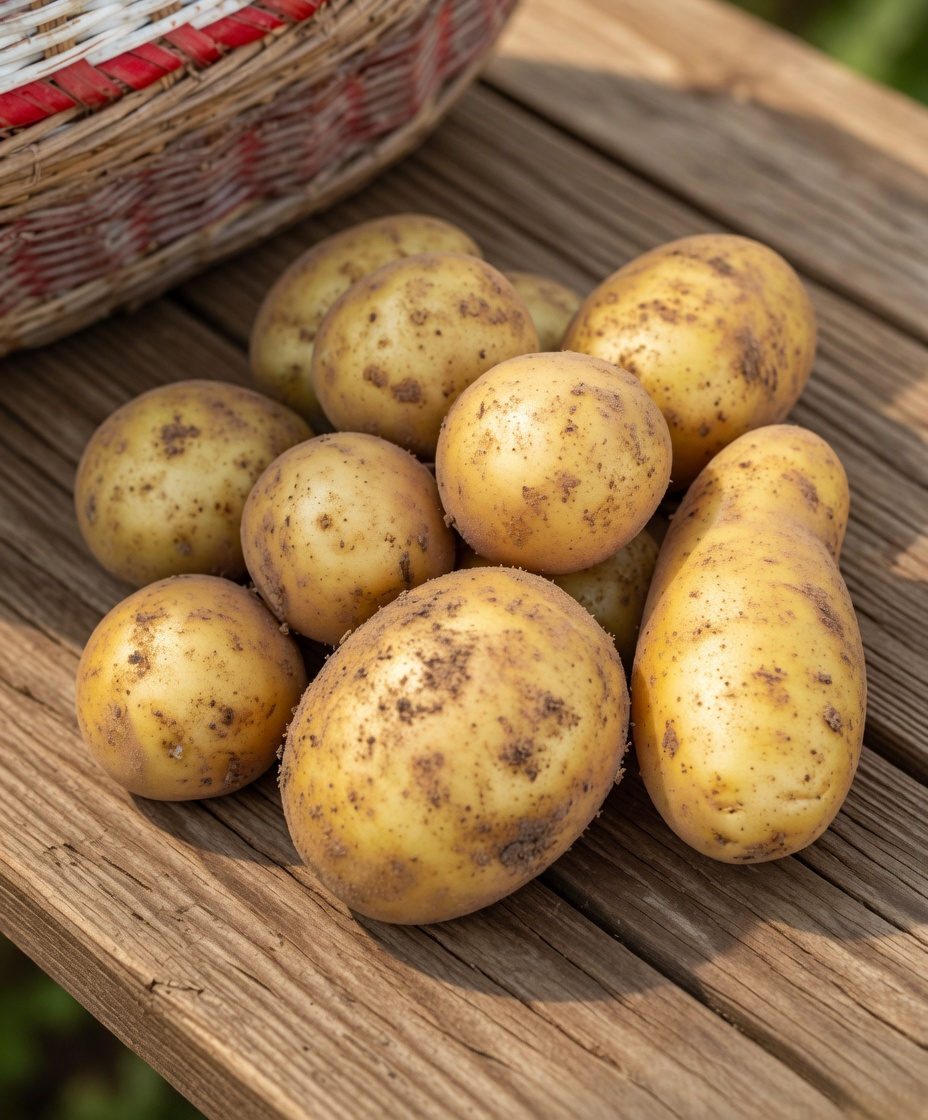
You reach for the golden fries, the creamy mashed potatoes, or that perfectly baked potato loaded with toppings, thinking you’re making a harmless, even “healthy” choice. After all, potatoes come from the earth, are packed with potassium, and have been a staple food for centuries. But what if everything you thought you knew about this everyday vegetable was wrong? What if that innocent-looking potato on your plate was quietly spiking your blood sugar in ways that could be harming your health long-term? Medical professionals are now speaking out about the hidden dangers lurking in potatoes — and the shocking truth is changing how thousands of people approach their meals. If you eat potatoes regularly, this could be one of the most important health revelations you read this year.
The Glycemic Truth Most People Never Hear
The problem starts with how your body processes potatoes. Unlike many vegetables that digest slowly and gently, potatoes have a very high glycemic index (GI). A baked potato can have a GI score of 85 or higher — comparable to white bread or table sugar. When you eat them, your body rapidly breaks down the starches into glucose, causing a sharp spike in blood sugar levels. For people with diabetes, prediabetes, or insulin resistance, this spike can be particularly dangerous, leading to energy crashes, increased hunger, and long-term complications.
Even for otherwise healthy individuals, repeated blood sugar roller coasters from frequent potato consumption can promote inflammation, weight gain, and a higher risk of developing metabolic issues over time. The effect is so consistent and powerful that some endocrinologists now refer to potatoes as “silent sugar bombs” — they don’t taste sweet, but your body reacts as if they were.
Why Potatoes Hit Harder Than You Think
Several factors make potatoes uniquely problematic for blood sugar control:
- Starch Composition: Potatoes are mostly starch, which converts quickly to glucose. A single medium potato can deliver a glucose load similar to drinking a sugary soda.
- Preparation Methods: Frying, mashing, or baking increases the glycemic impact. French fries and potato chips are among the worst offenders because the high heat and added fats create a perfect storm for rapid absorption.
- Portion Creep: It’s easy to overeat potatoes. A side of mashed potatoes or a bag of chips often contains far more carbs than you realize.
- Lack of Fiber and Protein: Unlike sweet potatoes or other root vegetables, white potatoes offer very little fiber or protein to slow digestion, meaning the sugar rush hits fast and hard.
Recent studies have confirmed these effects. One large review in the American Journal of Clinical Nutrition found that higher potato intake was associated with increased risk of type 2 diabetes, even after adjusting for overall calorie consumption. Another study showed that replacing potatoes with non-starchy vegetables significantly improved blood sugar control in just a few weeks.
The Hidden Long-Term Damage
The blood sugar spikes from potatoes don’t just affect your energy levels for a few hours. Over time, they contribute to:
- Insulin resistance
- Chronic inflammation
- Increased belly fat
- Higher risk of heart disease
- Fatty liver disease
- Accelerated skin aging (glycation)
Many people who struggle with stubborn weight, constant fatigue, or prediabetes have no idea that their “healthy” potato-based meals could be a major contributing factor. Doctors report seeing patients who eat potatoes daily yet are shocked when their A1C levels are elevated.
Better Alternatives That Won’t Wreck Your Blood Sugar
You don’t have to give up comfort foods entirely. Here are smarter swaps that deliver satisfaction without the dangerous spikes:
- Sweet Potatoes: Lower glycemic impact, packed with fiber and vitamin A.
- Cauliflower: Mashed “potatoes,” fries, or rice — incredibly versatile and low-carb.
- Turnips or Rutabaga: Similar texture to potatoes with far fewer carbs.
- Zucchini or Eggplant: Great for roasting or making “fries.”
- Legumes (in moderation): Lentils, chickpeas, or black beans provide starch with plenty of fiber and protein to blunt the blood sugar response.
When you do eat white potatoes, pair them with protein, healthy fats, and non-starchy vegetables. Adding olive oil, avocado, chicken, or a big salad can slow digestion and reduce the overall glycemic load.
Real Stories From People Who Made the Change
Sarah, a 47-year-old teacher with prediabetes, cut potatoes from her diet for 30 days. Her fasting blood sugar dropped 28 points and she lost 9 pounds without other major changes. “I thought potatoes were harmless,” she said. “I had no idea they were keeping me stuck.”
Mark, a 55-year-old construction worker, replaced his daily baked potato with cauliflower mash. His energy levels stabilized, joint pain decreased, and his doctor was able to reduce his blood pressure medication. “It was the simplest swap I’ve ever made,” he shared.
These stories are common among people who finally address the potato problem. The changes often feel dramatic because the blood sugar impact was far more significant than they realized.
Practical Tips for Managing Potatoes in Your Diet
If you’re not ready to eliminate potatoes completely, these strategies can help minimize the damage:
- Always eat the skin (extra fiber helps slow absorption).
- Cool potatoes after cooking — this increases resistant starch, which acts more like fiber.
- Portion control — stick to a small fist-sized serving.
- Never eat potatoes alone — always combine with protein and fat.
- Choose red or purple varieties when possible — they tend to have lower glycemic impact.
The key is awareness. Once you understand how potatoes affect your body, you can make informed choices rather than mindlessly reaching for them out of habit.
The Bigger Picture: Reclaiming Control of Your Blood Sugar
Potatoes are just one piece of the modern diet puzzle, but they represent a larger issue — how “normal” foods can quietly undermine our health. By becoming more conscious of blood sugar impact, you can prevent or even reverse many common health problems. The good news is that small, consistent changes often produce big results.
Doctors aren’t saying you can never enjoy potatoes again. They’re saying you should treat them more like an occasional indulgence rather than a daily staple. Your body will thank you with steadier energy, easier weight management, clearer thinking, and better long-term health.
The next time you’re planning a meal or standing in the grocery store, remember this: that innocent-looking potato might be doing more damage than you realize. Choose wisely, listen to your body, and give yourself the gift of stable blood sugar. Your future self will be grateful you did.
Have you noticed how potatoes affect your energy or cravings? Have you tried cutting back or swapping them out? Share your experience in the comments — your story might help someone else make a positive change.
Some foods comfort us in the moment but cost us in the long run. Potatoes have been fooling us for generations. It’s time to see them for what they really are — and make better choices for a healthier, more vibrant life.
Most Popular!
-
 The Ultimate Wedding Revenge: When the Mother Who Abandoned Her Six Daughters Showed Up with Her Millionaire Boss, the Bride Opened a Box That Destroyed Lives Forever
-
The Beach Shaming Disaster: What My 8-Year-Old Said to the Prying Stranger Left Everyone Speechless
-
My Husband Abandoned Me With Twin Babies for a Luxury Fishing Trip — When He Returned, I Had Already Packed His Bags
-
The Three-Dollar Miracle: How a Dust-Covered Vase Revealed a Heartbreaking Decades-Old Secret
-
The $80,000 Battle to Erase a Birthmark: Why One Mother Risked Everything for Her Daughter’s Future
-
The Silent Thief: Why Millions of Men Are Living with a Time Bomb They Can’t See
-
The Final Curtain Falls: Beloved Sanford and Son Legend Hal Williams Gone at 91
-
Found at a Yard Sale: This “Useless” Vintage Contraption Is Actually a Forgotten Piece of Human History