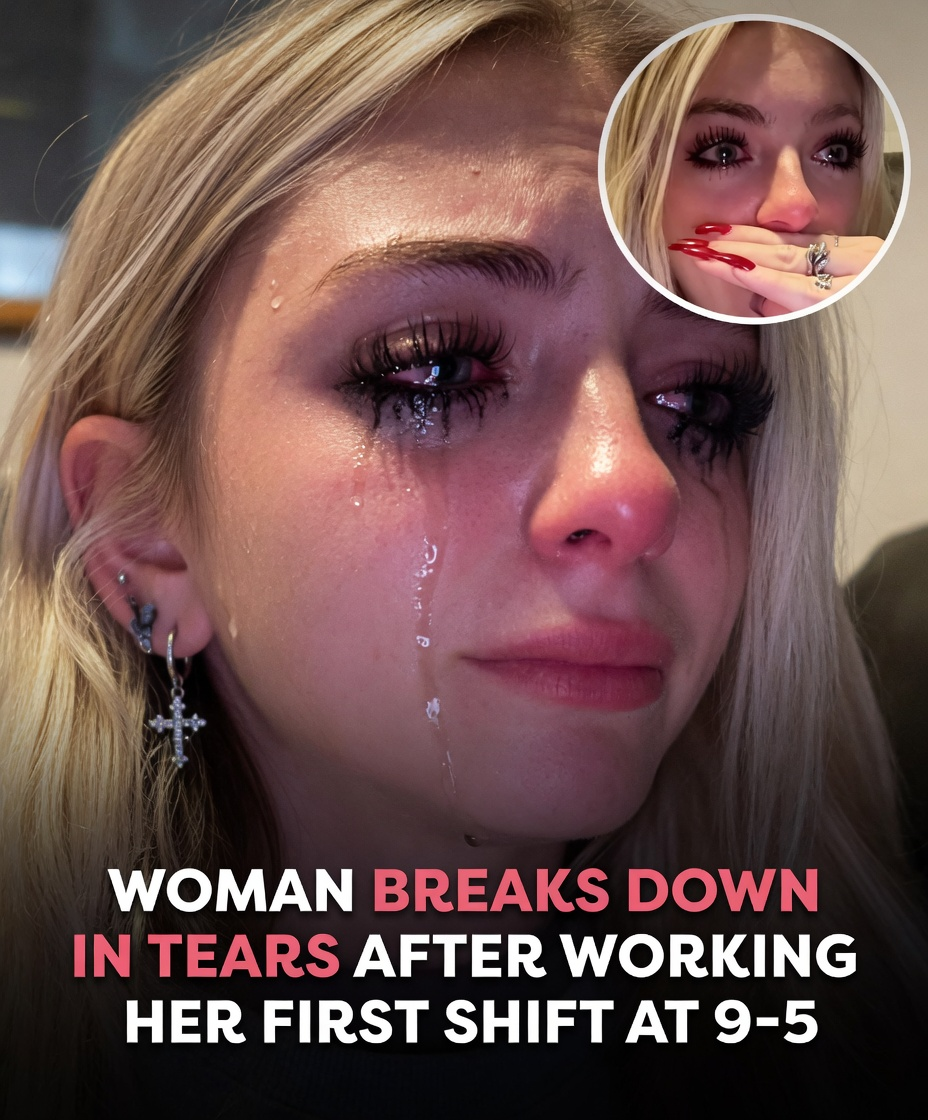
She had the world cheering her on. At twenty-two, fresh out of college with a communications degree and big dreams, Mia Thompson posted a single TikTok video that would change her life — at least for a few months. In it, she passionately declared, “The 40-hour work week is a scam designed to keep us exhausted and broke. I refuse to live like that.” The video went mega-viral, racking up millions of views, thousands of comments, and a flood of support from burned-out young professionals everywhere. Brands reached out. Media outlets interviewed her. For one shining moment, Mia became the voice of a generation tired of grinding. Then reality hit — and it hit hard. Within six months, she was jobless, broke, and facing the devastating truth that challenging the system is a lot easier online than it is in real life.
Mia’s journey started innocently enough. Like many Gen Z graduates, she entered the workforce during a time of economic uncertainty, record student debt, and a growing conversation about work-life balance. Her first corporate job after college paid $42,000 a year in a high-cost city. After taxes, rent, and basic expenses, she had almost nothing left. The 9-to-5 felt soul-crushing. So she started posting about it. Her videos were raw, funny, and relatable — ranting about endless meetings, micromanaging bosses, and the myth that hard work always pays off. The 40-hour work week became her main target. She argued it was outdated, rooted in industrial-era thinking, and designed to keep workers compliant rather than creative or happy.
The internet loved her. Her follower count exploded. Brands offered sponsorships for productivity tools and wellness apps. She quit her day job to pursue content creation full-time, believing she had cracked the code to a new way of working. For a while, it worked. She made decent money from brand deals, affiliate links, and viral views. She traveled, posted aesthetic “soft life” content, and inspired thousands to question their own careers. But behind the perfectly edited videos, cracks were forming.
The reality check came fast and brutal. Brand deals dried up when algorithms changed and her engagement dropped. Advertisers wanted consistent, polished content, not raw rants about workplace reform. Her savings disappeared faster than expected. Rent, health insurance, and basic living expenses in a major city added up quickly. Without a steady paycheck or benefits, she found herself applying for retail jobs she once mocked. The freedom she had preached about suddenly felt like instability. The same audience that had cheered her rebellion now criticized her for “not having a real plan.”
When Mia finally posted the honest follow-up video — tearfully admitting she was jobless, behind on bills, and questioning everything — the response was mixed. Some followers sent support and encouragement. Others mocked her with “told you so” comments. The algorithm, which once boosted her, now seemed to bury her more authentic content. Within weeks, she was moving back in with her parents, humbled and exhausted.
Mia’s story isn’t unique. Across the country, young creators and graduates are learning the hard way that rejecting the 40-hour work week sounds revolutionary online but comes with real-world consequences. The modern economy still runs on structure, benefits, and consistent income. While remote work and gig opportunities have expanded options, they’ve also created new forms of instability. Health insurance, retirement savings, and professional growth often require traditional employment structures that many influencers publicly criticize.
The 40-hour work week itself has a complicated history. Created during the Industrial Revolution to protect workers from exploitation, it was never meant to be the final word on productivity. Today, many experts argue it’s outdated in a knowledge economy where output doesn’t always correlate with hours logged. Yet completely abandoning it without a sustainable alternative often leads to financial stress, burnout from hustle culture, and the very exhaustion people were trying to escape.
Mia’s experience highlights several important truths about work, ambition, and modern life:
- Challenging systems is important, but surviving the consequences requires preparation and support.
- Virality is temporary. Sustainable success requires adaptability and realistic planning.
- The “soft life” many influencers promote often hides the financial privilege or luck that makes it possible.
- Work isn’t the enemy. Toxic, unfulfilling work with no boundaries is.
- Balance looks different for everyone — some thrive in traditional structures, others need to create their own.
Today, Mia is slowly rebuilding. She took a part-time job at a local nonprofit while continuing to create content on her own terms. She’s more honest with her audience, sharing both the wins and the struggles. Her journey has inspired many to question the 40-hour week while also planning more carefully for financial stability. She still believes the traditional work model needs reform, but she now understands that change takes time, strategy, and resilience.
If you’re feeling burned out by the 40-hour grind or inspired by creators challenging it, remember Mia’s story. Questioning the system is healthy. Walking away without a plan can be devastating. The sweet spot lies somewhere in the middle — pushing for better boundaries while building the stability that allows you to actually enjoy your life.
The young woman who went viral by calling the 40-hour work week a scam learned the hardest way possible that rejecting it without a backup plan can leave you right back where you started — exhausted, broke, and rethinking everything. Her story isn’t a failure. It’s a cautionary tale wrapped in an important conversation about how we work, how we live, and what we’re willing to risk to change both.
Some revolutions start with a viral video. Others start with learning the hard lessons after the likes stop coming. Mia’s journey reminds us that real change — both personal and societal — requires more than passion. It requires preparation, persistence, and the humility to admit when you need to adjust your approach.
The TikTok creator who challenged the 40-hour work week didn’t just lose her income. She gained wisdom, resilience, and a more honest platform that now resonates even more deeply with her audience. And in the process, she reminded all of us that the best rebellions are the ones that survive the morning after the revolution.
Most Popular!
-
 https://mardinolay.com/princess-diana-inner-circle-breaks-silence-shocking-security-blunders-that-cost-the-peoples-princess-her-life-revealed-by-top-bodyguard/
-
The Heartbreaking Grocery Store Encounter: Little Girl Cries at Checkout Until a Stranger Discovers the Emotional Truth Behind Her Birthday Cake
-
Doctors Are Shocked: This Everyday Superfruit Is Changing Everything You Think You Know About Ultimate Longevity and Vibrant Health
-
Michelle Obama Internet Meltdown: The Shocking Reality Behind the Viral Frenzy That Blew Up Social Media Networks Overnight
-
The Heartbreaking Truth Hidden Inside a Missing Spider-Man Backpack That Completely Exposed a Schoolteacher’s Secret
-
The Heartbreaking Global Tributes as the Daytime Emmy-Nominated Soap Opera Legend and Broadway Icon Passes Away Peacefully at Eighty-Two
-
The Disturbing Late-Night Discovery Inside a Pediatric Ward That Exposed a Husband’s Secret Life and Devastated a Family
-
The Toxic Social Media Firestorm Blowing Up Over a High-Profile Hollywood Actor’s Controversial Mother’s Day Post