The house was quiet the morning Emily disappeared. No slammed doors. No dramatic goodbye. Just an empty driveway where her old blue SUV usually sat, and a single sheet of paper folded neatly on the dresser in the master bedroom. Her husband, David, found it after calling her phone for the fourth time with no answer. When he read the words she had written, his legs gave out. In one brutal, honest note, the woman he had been married to for twenty-two years ended their life together — and exposed truths about their family that would never be the same again.
Emily had always been the steady one. The mom who packed lunches, remembered every birthday, and kept the household running while David built his contracting business. Their three children — now young adults — described her as the heart of the home. So when she left without a word, the shock rippled through the entire family like an earthquake. No one saw it coming. Or at least, that’s what they told themselves in the days that followed.
The note was short. Brutal. And devastatingly clear.
“David, I can’t do this anymore. For twenty-two years I’ve smiled through the affairs, the lies, and the way you made me feel small so you could feel big. I stayed for the kids. I stayed because I thought love meant endurance. But I’m done enduring. I’m done pretending. I’ve been planning this for months, and I’m finally choosing myself. Don’t look for me. Don’t call. The kids know how to reach me if they want to. Tell them I love them. Tell them I’m sorry I waited so long. — Emily”
David sat on the edge of the bed, the paper shaking in his hands. He had known about some of the problems — the arguments, the distance — but he had convinced himself they were normal. The affairs? He thought she never knew. The way he criticized her weight, her dreams, her parenting? He told himself it was “just how he was.” In one paragraph, Emily had dismantled the narrative he had built to protect himself.
What followed was a family reckoning no one was prepared for.
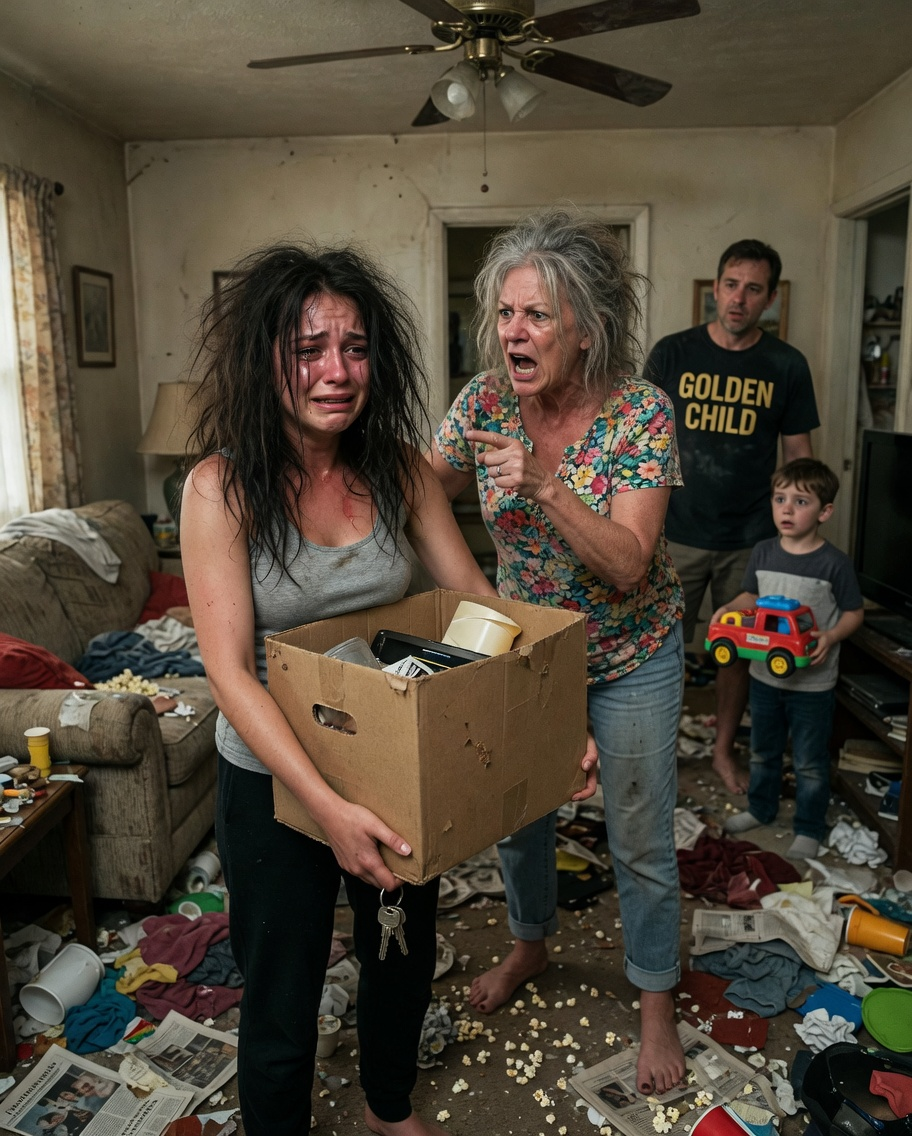
Their oldest daughter, Megan, was the first to read the note. She didn’t cry. She simply looked at her father and said, “We all knew, Dad. We just didn’t know how to say it.” One by one, the children revealed they had seen things over the years — late nights, hushed phone calls, the way their mother would disappear into the bathroom to cry after certain arguments. They had protected her in small ways, covering for her when she needed space, encouraging her to pursue hobbies David often mocked. They had watched their mother shrink herself to keep the peace, and they had silently resented their father for it.
The note didn’t just end a marriage. It forced every member of the family to examine their own role in the dysfunction. David’s parents called, defending their son and suggesting Emily was “overreacting.” Her own family admitted they had seen the warning signs but stayed silent to avoid conflict. The children found themselves caught between love for both parents and the painful realization that their childhood home had been built on quiet resentment and unspoken truths.
Emily didn’t disappear completely. She moved into a small apartment across town and began the slow work of rebuilding her life. She started therapy. She reconnected with old friends. She took the art classes she had always wanted to take but never had time for. For the first time in decades, she was making decisions based on what she wanted, not what would keep the peace.
David’s journey was harder. The note forced him to confront the man he had become — selfish, controlling, and emotionally unavailable. He entered intensive therapy and began the painful process of making amends. Some relationships can be saved after something like this. Others cannot. For now, David and Emily are separated, co-parenting as best they can while giving each other space to heal.
This devastating chapter taught their family several painful but necessary truths:
- Staying for the kids isn’t always the noble choice — sometimes it teaches them to accept dysfunction as normal.
- Secrets and silence don’t protect families — they poison them slowly.
- It’s never too late to choose yourself, even if it means breaking the life you built.
- Children see more than we realize, and they carry the weight of our choices longer than we know.
- Real love sometimes means having the courage to leave when respect is gone.
The children are navigating their own complicated feelings. They love their mother for finally choosing freedom. They love their father but are learning to set boundaries with him. Family dinners are quieter now, but more honest. Holidays feel different — less performative, more real.
Emily has started writing — not for publication, but for herself. She says the words she couldn’t say for years are finally flowing. She looks lighter. She smiles more. The woman who once tiptoed around her own home is finally learning how to take up space again.
David still lives in the family house, but it feels empty. He keeps the note in his nightstand drawer and reads it when the temptation to deflect blame becomes too strong. He is learning, slowly, what it means to be a better man — not for Emily, but for himself and his children.
The brutal note on the dresser didn’t just end a marriage. It ended decades of pretending. And in its place, something new and honest is beginning to grow — fragile, painful, but real.
If you’re reading this and you’re staying in a marriage that makes you feel small, invisible, or constantly on edge, please hear this: you don’t have to wait until you break. You don’t have to endure until the kids are grown. Your life, your peace, and your happiness matter too.
Emily thought she was protecting her children by staying. In the end, showing them it’s okay to leave when respect is gone may have been the greatest gift she could have given them.
The woman who backed out of her family home in secret didn’t just leave a marriage. She left behind the version of herself that had learned to disappear. And in doing so, she showed her children — and anyone watching — that it’s never too late to choose yourself.
Some endings are quiet. Others come with a note on the dresser that changes everything. This one came with courage, pain, and the beginning of something better for everyone involved.
Most Popular!
-
 The Shocking New Details Behind Brad Pitt’s Private Romance That Has Completely Stunned Fans
-
The Mind-Blowing Underground Origins of the Most Dangerous and Unpredictable Rock Legend in History
-
The Strange Humming Beneath Our New House Turned Out to Be Something No One Could Have Imagined
-
The Absolute Insane Backyard Prank That Sent My Nosy Neighbors Packing for Good
-
The Hidden Backyard Superfood That Is Seven Times More Powerful Than Kale
-
The Secret Four-Ingredient Frozen Strawberry Fluff That Will Make You Completely Forget About Traditional Ice Cream
-
The Tragic Downfall of a Hollywood Goddess Whose Legendary Beauty Completely Vanished
-
Pop Icon Lou Christie Dies Suddenly After Secret Battle, Leaving the Music World in Absolute Shock and Grief