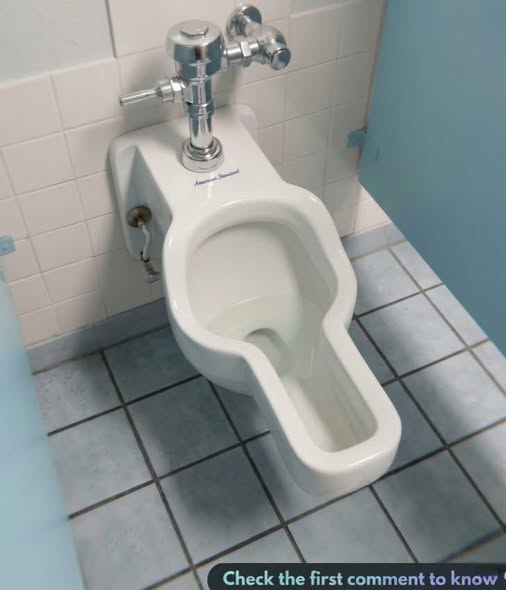
Public restrooms have remained largely unchanged for decades — long lines for women, higher water usage, and hygiene concerns that never seem fully solved. That’s why the recent installation of women’s urinals at the U.S. Space & Rocket Center in Huntsville, Alabama, is generating so much conversation. What might sound like a small design tweak is actually a bold step toward modernizing facilities for better flow, cleanliness, and equity. This move isn’t just about space exploration — it’s about rethinking everyday spaces in smarter, more practical ways.
The U.S. Space & Rocket Center, home to one of the world’s largest collections of space artifacts, attracts thousands of visitors daily. Like many high-traffic tourist spots, it has struggled with restroom bottlenecks during peak hours. By introducing women’s urinals alongside traditional stalls, the center is testing a solution that’s already common in parts of Europe and Asia but still rare in the United States. The goal is simple: reduce wait times, improve hygiene, and make the visitor experience smoother for everyone.
What Are Women’s Urinals and How Do They Work?
Women’s urinals are specially designed fixtures that allow women to urinate standing up without removing clothing. They come in two main styles: wall-mounted units similar to men’s urinals and more private, stall-like designs with doors. Most feature a curved, ergonomic shape that directs flow downward efficiently. Many include sensors for automatic flushing and built-in handrails for stability and comfort.
The technology has improved dramatically in recent years. Modern units are touchless, easy to clean, and designed with privacy in mind. They use significantly less water per use than traditional toilets — often cutting consumption by up to 50% for liquid waste. This makes them especially appealing for high-traffic venues like museums, stadiums, airports, and theme parks.
Why the Space & Rocket Center’s Decision Matters
The Space & Rocket Center’s choice to install women’s urinals isn’t random. As a major tourist destination, it deals with large crowds and the practical realities of long lines. By offering more options, the center is addressing a common pain point: women often wait significantly longer for restrooms than men. This isn’t just inconvenient — it can affect health, comfort, and even safety for visitors who delay bathroom breaks.
This installation also sends a broader message about innovation in public spaces. If a respected institution tied to NASA and American achievement is willing to try something new, it opens the door for other venues to follow. It challenges the outdated assumption that restrooms must follow the same design they’ve had for generations.
The Hygiene and Efficiency Advantages
One of the strongest arguments for women’s urinals is improved hygiene. Traditional toilets require more surface contact and can harbor bacteria if not cleaned frequently. Urinals minimize contact and are generally easier to keep sanitary. Many units feature antimicrobial surfaces and powerful rinse systems that reduce odor and buildup.
Efficiency is another major benefit. Women using urinals can complete the process faster, which shortens lines dramatically during busy periods. This is especially valuable in places like the Space & Rocket Center, where visitors want to spend time exploring exhibits rather than waiting in restroom queues. Water conservation is an added bonus — an important consideration as many regions face increasing pressure on water resources.
Addressing Common Concerns
Naturally, introducing women’s urinals raises questions. Privacy is often the top concern. Modern designs solve this with individual stalls, doors, and partitions that provide the same level of separation as traditional toilets. Some women worry about learning a new way to use the facilities, but most report that it becomes natural after just a few uses, especially with clear signage and helpful design features.
Cultural acceptance is another hurdle. In the U.S., the idea is still relatively new, but education and positive experiences are helping shift perceptions. Many women who have tried them in Europe or at forward-thinking venues report appreciating the speed and cleanliness compared to traditional options during peak times.
The Bigger Picture: Restroom Design for the Future
The Space & Rocket Center’s move is part of a larger conversation about inclusive, efficient public spaces. As attendance at museums, stadiums, and events continues to grow, traditional restroom designs are increasingly strained. Forward-thinking architects and facility managers are exploring solutions that better serve all genders while reducing environmental impact.
Some venues are going further by introducing all-gender restrooms with a mix of stalls and urinals, giving everyone more options. Others are focusing on better ventilation, touchless technology, and improved cleaning protocols. The goal isn’t to replace traditional toilets but to expand choices so facilities can handle higher traffic more effectively.
What This Means for Everyday Visitors
For families visiting the Space & Rocket Center or similar attractions, these changes translate to less time waiting and more time enjoying the experience. Parents with young children, people with mobility challenges, and anyone who simply needs to use the restroom quickly all benefit from more efficient options.
If your local venues haven’t adopted similar solutions yet, you can still advocate for change. Sharing positive experiences, supporting forward-thinking designs, and normalizing the conversation helps move the industry in a better direction.
Final Thoughts: Small Changes, Big Impact
The installation of women’s urinals at the U.S. Space & Rocket Center might seem like a minor update, but it represents a meaningful shift in how we think about public spaces. It prioritizes practicality, hygiene, and inclusivity without sacrificing comfort or privacy. As more venues adopt smarter restroom solutions, we move closer to a world where basic human needs don’t create unnecessary bottlenecks or discomfort.
The next time you see a women’s urinal, consider it a small but important step toward better design. It’s not about replacing anything — it’s about giving people more choices so everyone can spend less time waiting and more time doing what matters most.
Have you encountered women’s urinals in public spaces yet? What was your experience? Share your thoughts in the comments below — your feedback could help shape how these facilities evolve in the future.
Most Popular!
-
 I Ate at Cracker Barrel for Years – Then I Finally Noticed These Hidden Details That Changed Everything
-
I Raised My Late Fiancée’s 10 Kids Alone for 12 Years – Then My Daughter Told Me the Truth About Her Mother and It Changed Everything
-
I Fed the Meanest Old Man on My Street for Years – When He Died, His Will Exposed a Secret That Shocked Everyone
-
“We Cannot Keep Her,” My Husband Said During Our Baby’s First Bath – What I Saw Next Changed Everything
-
What You’re Really Eating: The Shocking Truth About Supermarket Meat Most Labels Won’t Tell You
-
My 12-Year-Old Built Wheelchairs for Stray Dogs – Then Our Neighbor Destroyed Everything. One Video Changed Her Life Overnight
-
I Caught My Husband With Our Daughter’s Nanny – But Instead of Screaming, I Let the Whole World Watch What Happened Next
-
She Dined and Dashed on a $112 Bill, Then Called the 72-Year-Old Waitress Rude – What Happened Next Left the Whole Town Talking