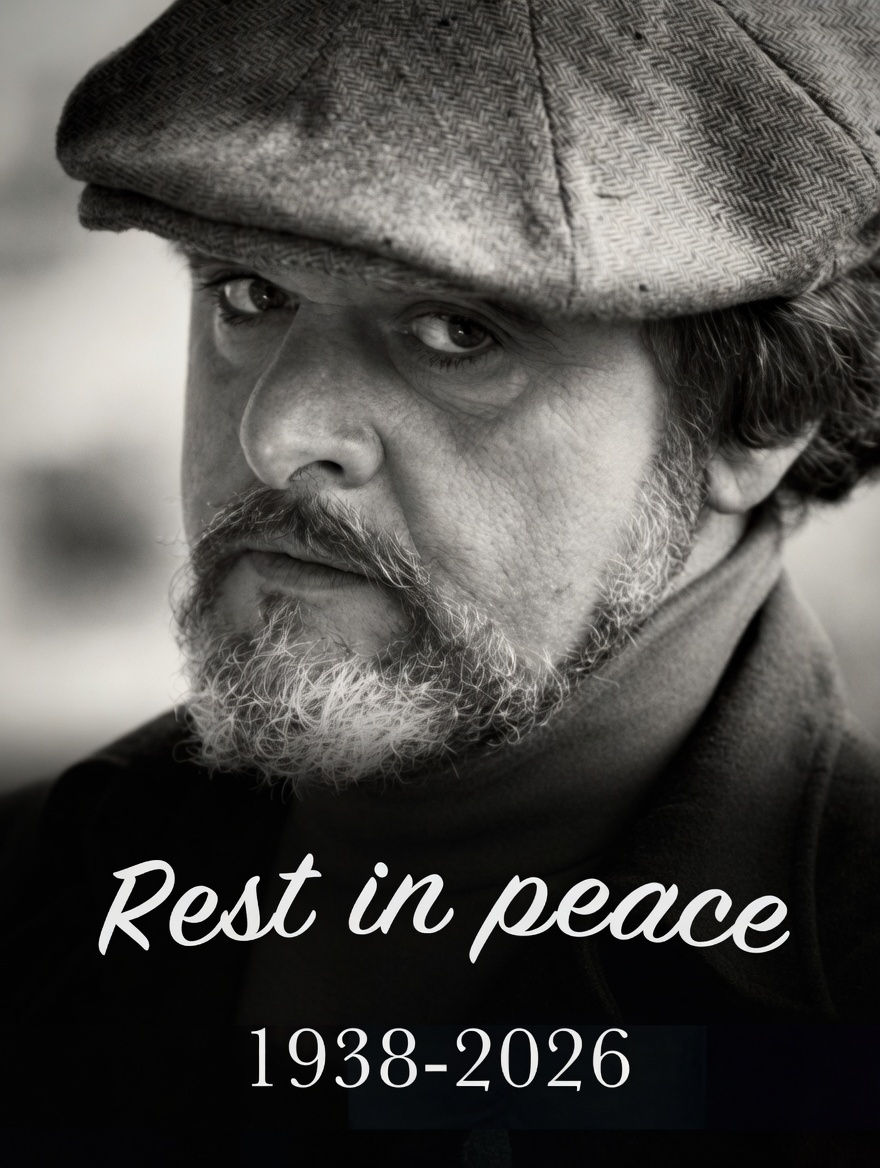
Morgan Freeman is one of those rare actors whose voice alone can command a room, whose presence elevates every scene, and whose career has become synonymous with quiet dignity and profound wisdom. From The Shawshank Redemption to Driving Miss Daisy and countless narrations that feel like spoken poetry, he has built a legendary status in Hollywood. But behind the measured delivery and Oscar-winning performances lies a personal life filled with jaw-dropping experiences, shocking tragedies, remarkable comebacks, and a level of resilience that makes even his most iconic movie roles seem tame by comparison.
Born in 1937 in Memphis, Tennessee, during the height of segregation, Freeman’s early years were shaped by hardship and movement. His parents separated when he was young, and he bounced between Mississippi and Indiana, raised primarily by his grandmother. From an early age, he showed natural talent for performance, winning a state drama competition at 12 and earning a partial drama scholarship. Yet instead of diving straight into acting, he joined the U.S. Air Force after high school, serving as a radar technician. That military discipline would later inform the quiet authority he brings to so many of his roles.
His Hollywood breakthrough didn’t come easy or early. Freeman spent years paying dues in off-Broadway theater and small television parts. His big break arrived in the 1970s with the children’s show The Electric Company, where he played Easy Reader. But it was the 1980s and 1990s that cemented his place in cinematic history. Roles in Glory, Driving Miss Daisy, and especially The Shawshank Redemption (where he delivered one of the most memorable voiceovers in film) turned him into a household name. Audiences didn’t just see an actor — they felt they were listening to wisdom itself.
Yet while the world celebrated the on-screen legend, Freeman’s private world was marked by profound pain and extraordinary survival. In 2008, he was involved in a terrifying car accident in Mississippi. The vehicle flipped multiple times, leaving him with a shattered left arm and shoulder that required extensive surgery. Doctors warned he might never regain full use of the arm. Freeman faced the possibility that his career — built so heavily on physical presence and expressive gestures — could be over. Instead of retreating, he threw himself into intense physical therapy and continued working, even appearing in films with visible injuries. His determination during recovery became another chapter in the legend.
Tragedy struck again in more personal ways. Freeman has spoken openly about the challenges of fatherhood and the pain of losing loved ones. He has also faced public scrutiny over personal relationships and allegations that tested his carefully cultivated image. Through it all, he maintained a philosophical calm that many interpret as spiritual depth. Freeman has described himself as a man of faith who believes in a higher power but prefers to let his actions speak louder than sermons. That quiet spirituality has guided him through Hollywood’s temptations and personal storms.
One of the most remarkable aspects of Freeman’s life is his commitment to education and giving back. Long before he became a box-office draw, he understood the power of knowledge. He has funded scholarships, supported arts programs for underprivileged youth, and used his narration skills to lend gravitas to important documentaries on history, science, and social justice. His voice became a tool not just for entertainment but for enlightenment, narrating everything from March of the Penguins to The Story of Us.
Perhaps most mind-blowing is how Freeman reinvented himself multiple times. After decades as a character actor, he became a leading man in his 50s and 60s — an age when many actors see fewer opportunities. Films like Bruce Almighty, Invictus, and The Bucket List showed a lighter, more playful side while still carrying the gravitas that made him iconic. He proved that true star power isn’t limited by age or conventional leading-man looks. It comes from presence, talent, and an unshakable sense of self.
Even in his later years, Freeman continues to surprise. He has explored new passions, including a love for aviation (he is a licensed pilot) and a deep interest in marine biology and conservation. His curiosity seems boundless, and he approaches each new chapter with the same thoughtful intensity he brings to every role. At an age when many slow down, Freeman shows no signs of stopping — a living testament to the idea that purpose and passion keep us vital.
What makes Freeman’s off-screen life so compelling is the contrast with his on-screen persona. He often plays wise, steady mentors who dispense life lessons with calm authority. In reality, he has lived a life full of struggle, loss, physical pain, and reinvention. The dignity and grace he brings to characters isn’t just acting — it’s hard-earned wisdom from a man who has faced real darkness and chosen light anyway.
His journey reminds us that the most powerful stories aren’t always the ones on the screen. They’re the ones lived quietly, with resilience, curiosity, and an unwavering commitment to growth. Morgan Freeman didn’t just survive his challenges — he transformed them into fuel for a career and a life that continues to inspire millions.
In the end, the secret life of Morgan Freeman is far more extraordinary than any script could capture. It’s a story of a boy from segregated Memphis who became one of the most respected voices in the world — not by accident, but through deliberate choices, quiet strength, and the refusal to let hardship define him. That’s the real performance worth celebrating.
Most Popular!
-
 FROM DOUBT TO TRUST: A HOUSEKEEPER’S UNEXPECTED MOMENT THAT CHANGED EVERYTHING
-
CHANGES IN THE SENSE OF SMELL AND THEIR POSSIBLE LINK TO BRAIN HEALTH
-
SUBTLE CHANGES IN BEHAVIOR THAT MAY SIGNAL RELATIONSHIP CHALLENGES
-
THE SMALL INHERITANCE I ALMOST THREW AWAY REVEALED A SIDE OF MY GRANDFATHER I NEVER TRULY UNDERSTOOD
-
UNDERSTANDING WHY YOUR HANDS GO NUMB AT NIGHT: CAUSES, SYMPTOMS, AND WHEN TO SEEK MEDICAL ADVICE
-
HE SHOT TO FAME AS JETHRO BODINE IN THE BEVERLY HILLBILLIES—TODAY, HE’S THE LAST SURVIVING CAST MEMBER
-
MY HUSBAND WENT ON A WORK TRIP—THEN I RECEIVED AN UNEXPECTED CALL
-
MEN BORN IN THESE MONTHS ARE OFTEN SAID TO BE THE MOST FAITHFUL HUSBANDS—BUT HERE’S WHAT REALLY BUILDS LASTING LOYALTY