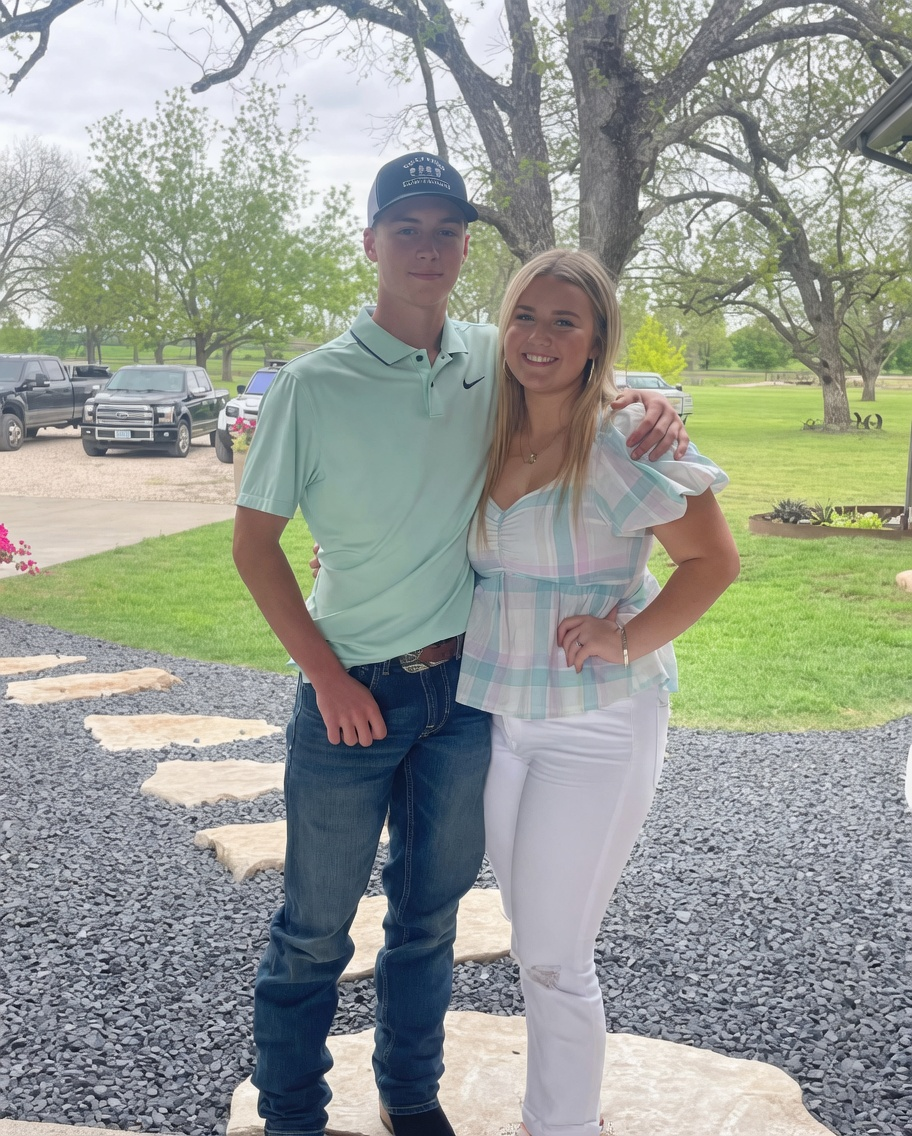
Every rodeo fan knows the thrill of watching a young rider burst out of the chute with raw talent and fearless determination. Ace Patton Ashford was that rider — an 18-year-old prodigy whose name was already being whispered as the next big thing in professional rodeo. He had the perfect blend of natural skill, quiet humility, and an almost magnetic connection with horses that made veterans stop and watch. Then, in one horrifying moment during what should have been an ordinary practice session, everything changed. His horse spooked, the rigging failed to release cleanly, and Ace was dragged across the arena floor. He never got up. What happened next wasn’t just the end of a promising career — it became a painful wake-up call for an entire sport that has long romanticized its risks while quietly mourning its young casualties.
Ace grew up in the heart of rodeo country, where the smell of dust and leather was as familiar as morning coffee. From the time he could walk, he was drawn to the arena. His family wasn’t wealthy, but they poured everything they had into supporting his passion. By his early teens, he was already winning junior titles and catching the eye of seasoned cowboys who recognized something special in the way he read horses and stayed calm under pressure. Coaches described him as the rare athlete who combined raw talent with genuine respect for the animals and the traditions of the sport. He wasn’t flashy or arrogant. He was the kid who stayed late to help younger riders, who remembered every coach’s name, and who treated every practice like it was the most important ride of his life.
The day of the accident started like any other. The arena was alive with the usual sounds — horses snorting, ropes whistling through the air, and the low chatter of riders preparing for the upcoming season. Ace was working on a new technique that could have given him the edge he needed to turn pro. No one saw the sudden movement that spooked his horse. In less than a heartbeat, the calm practice session turned into chaos. The horse bolted, Ace was caught in the rigging, and he was dragged violently across the dirt before anyone could reach him. Training partners and coaches who were standing just yards away could only watch in horror as the unthinkable unfolded. Medical help arrived quickly, but the injuries were catastrophic. Ace Patton Ashford, the young man everyone believed was destined for greatness, was gone.
The rodeo community reeled in the days that followed. Arenas that usually buzzed with energy fell silent. Riders who had competed against Ace left his favorite lariat hanging on the fence as a quiet tribute. Social media filled with stories from people who had known him — coaches who remembered his work ethic, competitors who admired his sportsmanship, and kids who looked up to him as a role model. What struck everyone was how ordinary and full of promise his life had seemed just hours earlier. One moment he was laughing with friends in the practice pen. The next, he was gone. The suddenness of it all left a raw, collective grief that no trophy or championship buckle could ever fill.
Rodeo has always carried an element of danger. It’s part of what makes the sport so captivating — the courage required to climb onto the back of a powerful, unpredictable animal and trust that your skill and preparation will be enough. But Ace’s death forced a difficult conversation many in the sport had long avoided. How many promising young lives have to be cut short before safety protocols, equipment standards, and training practices get a serious overhaul? While rodeo has made strides in protective gear and medical response times, incidents like this highlight the gaps that still exist, especially during practice sessions when adrenaline is high but the spotlight is off. The tragedy became a painful reminder that behind every thrilling ride is a very real risk that no amount of talent can completely eliminate.
In the wake of the accident, Ace’s family and friends focused on celebrating the young man he was rather than dwelling only on how he died. They spoke of his infectious smile, his love for late-night talks about horses and life, and the way he made everyone around him feel seen. His coaches remembered a teenager who worked harder than anyone else but never bragged about it. His peers described him as the kind of rider who would stop mid-practice to help a younger competitor who was struggling. These stories painted a picture of a life that mattered far beyond the arena — a life defined by kindness, dedication, and quiet strength.
The loss also sparked broader reflections on how we support young athletes in high-risk sports. Parents, coaches, and organizations began asking tougher questions about mental health resources, pressure to perform, and the balance between pushing limits and protecting futures. Ace’s story became a catalyst for conversations that had been simmering for years. While no one wants to dim the spirit of rodeo, many now believe that honoring the athletes who give everything to the sport means being honest about its dangers and working harder to prevent avoidable tragedies.
For those who knew Ace, the grief is still fresh and deeply personal. Yet even in their sorrow, many have found comfort in the way his brief life touched so many others. The empty practice pen where he once rode now carries a quiet tribute — a simple plaque with his name and the dates that marked his too-short time on earth. Riders still tip their hats as they pass it, a small gesture of respect for the young cowboy who reminded everyone why they fell in love with the sport in the first place.
Ace Patton Ashford never got the chance to chase his professional dreams or claim the championship buckles that seemed all but guaranteed. But his legacy lives on in the riders he inspired, the coaches who now train with a sharper eye on safety, and the families who hug their children a little tighter after hearing his story. In the world of rodeo, where courage is measured in eight-second rides and broken bones are worn like badges of honor, Ace’s death forced everyone to remember that these athletes are more than competitors — they are sons, daughters, friends, and dreams that deserve to be protected.
The arena that once echoed with his laughter is quieter now, but the memory of the rising star who never got to shine fully will continue to echo through grandstands and practice pens for generations. Rodeo will keep moving forward, as it always has. But thanks to Ace, it will do so with a little more awareness, a little more caution, and a whole lot more gratitude for every rider who climbs into the chute and every heartbeat that keeps the sport alive.
Most Popular!
-
 THE RISE AND TRAGIC LEGACY OF A BELOVED CHILD STAR: A STORY OF FAME, TALENT, AND RESILIENCE
-
DO YOU KNOW WHY A MAN TURNS HIS BACK ON YOU WHEN HE SLEEPS?
-
THE MOST POPULAR GIRL IN SCHOOL ASKED MY MISTREATED SON TO DANCE AT PROM—IT TURNED OUT TO BE A MEAN JOKE, BUT WHAT HE DID NEXT MADE MY KNEES SHAKE
-
WHAT I FOUND IN MY GIRLFRIEND’S BATHROOM TURNED OUT TO BE COMPLETELY HARMLESS
-
THE LATE-NIGHT HABIT THAT COULD BE SILENTLY SABOTAGING YOUR SLEEP, FOCUS, AND WELL-BEING
-
THE VINTAGE LAUNDRY WRINGER AT A YARD SALE AND THE STORY IT CARRIED
-
MY WEALTHY GRANDMOTHER LEFT ME NOTHING IN HER WILL—BUT A HIDDEN GARAGE HELD A SECRET THAT CHANGED MY LIFE FOREVER
-
IS IT SAFE TO LEAVE BUTTER ON THE COUNTER? A COMPLETE GUIDE TO BUTTER STORAGE AND FRESHNESS