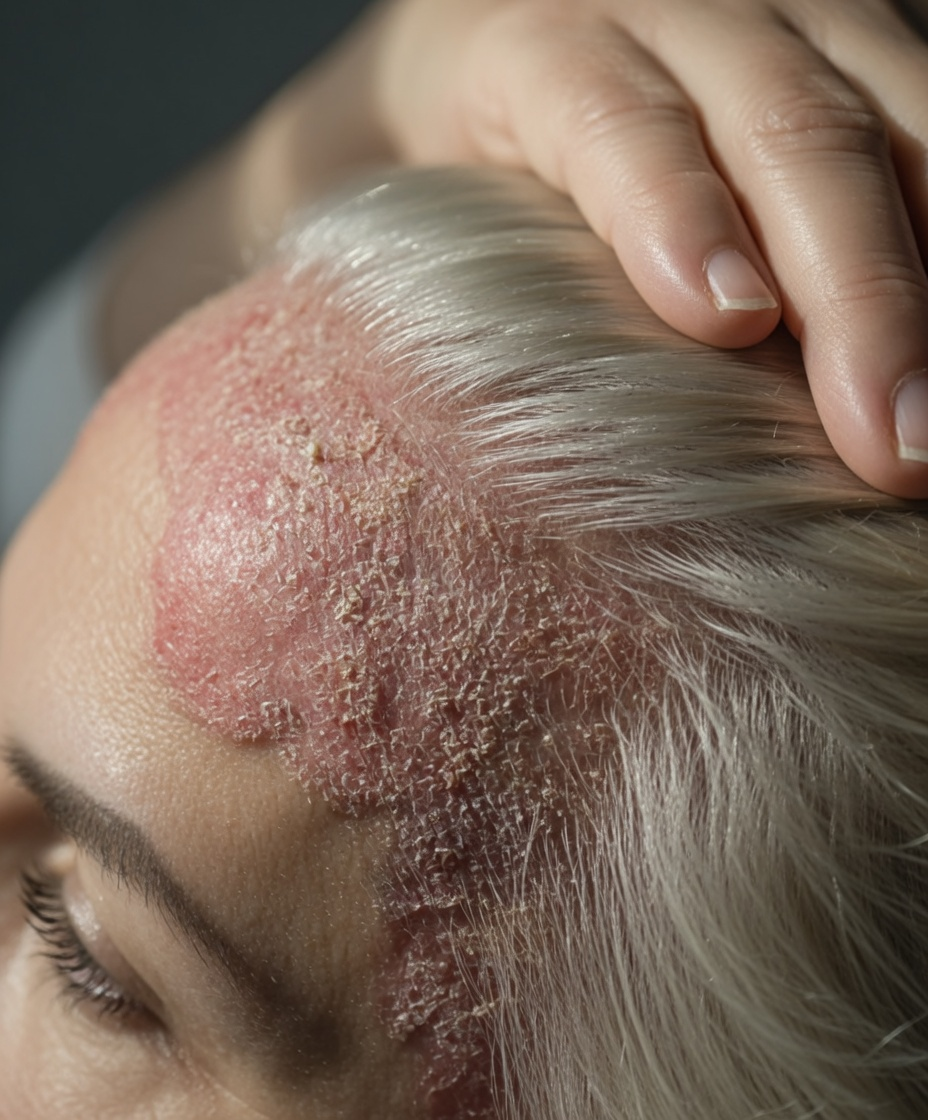
We all have bedtime routines that feel completely harmless. Brushing our teeth, washing our face, maybe scrolling on our phones for a few minutes. But there’s one incredibly common nighttime habit that millions of people do every single day without realizing it’s quietly sabotaging their scalp and hair health. If you shower or wash your hair in the evening and then climb straight into bed while it’s still damp or wet, you could be setting yourself up for a cascade of problems that range from annoying dandruff and itchiness to long-term hair thinning and breakage.
Sleeping with wet hair might seem like a minor convenience — you save time in the morning, and it feels refreshing after a long day. But the combination of moisture, darkness, and friction creates the perfect storm for issues that dermatologists see in their offices every week. The scalp is essentially an extension of your skin, and like any other area, it thrives when it’s clean, dry, and balanced. Keeping it constantly damp overnight disrupts that delicate ecosystem in ways most people never connect to their bedtime routine.
Why Wet Hair Overnight Is a Recipe for Scalp Disaster
When your hair is wet, the cuticles — those tiny overlapping scales that protect each strand — are raised and more vulnerable. As you toss and turn on your pillow, the friction between damp strands and fabric causes micro-damage that adds up over time. This leads to frizz, split ends, and noticeable breakage, especially around the hairline and crown where pressure is highest.
Even more concerning is what happens at the root level. A moist, warm environment trapped under your head for 6–8 hours is exactly what bacteria and fungi love. Malassezia, the yeast naturally present on most scalps, can overgrow in these conditions, triggering seborrheic dermatitis, stubborn dandruff, and persistent itching. Many people blame their shampoo or product buildup when the real culprit is simply going to bed with wet hair night after night.
The pH balance of your scalp also gets thrown off. Wet hair stays slightly more alkaline, which can weaken the skin barrier and lead to irritation, redness, or even small sores in severe cases. Over months and years, this chronic low-grade inflammation can contribute to hair follicle damage, slower growth cycles, and increased shedding.
The Hidden Long-Term Damage Most People Miss
What starts as occasional itchiness or a few flakes can snowball into bigger problems. People who regularly sleep with wet hair often notice their hair looking duller, feeling thinner, or breaking more easily when they style it. The constant moisture can also encourage product residue and dead skin cells to build up faster, creating a cycle of clogged follicles and inflammation.
For those with color-treated or chemically processed hair, the damage accelerates. Wet strands are more porous, so pigments fade quicker and the hair itself becomes weaker and more prone to snapping. Even people with naturally healthy hair can see changes after years of this habit — finer texture, slower growth, and that frustrating “I just can’t get my hair to look healthy” feeling no matter what products they try.
Sleep position plays a role too. Side or stomach sleepers put more direct pressure on wet hair, flattening strands and increasing breakage on one side. Over time, this can create uneven hair density or noticeable thinning patches that seem to appear out of nowhere.
Simple Changes That Make a Massive Difference
The good news is that breaking this habit doesn’t require expensive new products or complicated routines. The most effective fix is also the simplest: give your hair time to dry completely before you lay down. Air-drying for 30–60 minutes after showering works wonders for most people. If you’re short on time or live in a humid climate, a cool or low-heat blow-dry on the lowest setting can finish the job without adding extra damage.
Invest in a silk or satin pillowcase if you haven’t already. These fabrics create far less friction than cotton, which means less pulling and tugging even if your hair is slightly damp. They also help retain moisture in your hair and skin, reducing dryness and breakage overnight.
Consider adjusting your shower schedule when possible. Morning washes let your hair dry naturally throughout the day while you’re active and upright. If evenings are your only option, at least blot your hair thoroughly with a microfiber towel or old T-shirt instead of rubbing vigorously — that rubbing action is another hidden source of damage.
For those who can’t avoid occasional wet-hair nights, there are protective steps. Loosely braid or twist long hair into a low bun before bed to minimize movement and friction. Skip heavy styling products right before sleep, as they can trap even more moisture against the scalp. And make sure your pillowcases are washed frequently — at least once a week — to prevent buildup of oils, product residue, and microbes.
Building a Scalp-Friendly Nighttime Routine
Creating better habits is easier when you make it part of your overall wind-down ritual. After your shower, spend a few minutes gently detangling with a wide-tooth comb while your hair is still damp. Apply a lightweight leave-in conditioner or scalp serum if your hair tends to be dry. Then let it air-dry as much as possible while you finish your evening skincare or read a book.
If you notice persistent scalp issues even after making these changes, it’s worth seeing a dermatologist. Sometimes underlying conditions like psoriasis or hormonal shifts can make the problem worse, and professional guidance can help you address the root cause instead of just the symptoms.
Small daily choices really do compound when it comes to hair and scalp health. Breaking the wet-hair-at-bedtime cycle is one of the easiest upgrades you can make, and the results often show up faster than expected — shinier strands, less shedding, and a calmer, less itchy scalp.
Your hair and scalp work hard all day protecting you and helping you look and feel your best. Giving them the simple respect of going to bed dry is one of the kindest things you can do for your future self. It’s not about perfection or never having a late-night shower again. It’s about being mindful of a habit that most of us never even questioned — until the damage started showing up in the mirror.
Start tonight. Towel-dry a little more thoroughly, wait those extra minutes, or switch to a morning wash a few times a week. Your scalp will thank you, your hair will look healthier, and you’ll finally break free from one of the most common — and most destructive — beauty mistakes people make every single day.
Most Popular!
-
 THE SILENCE SURROUNDING RFK JR.: WHAT IS BEING HIDDEN BEHIND CLOSED DOORS?
-
THE HELICOPTER IN THE BACKYARD: WHY MY PARENTS DISMISSED MY ORDINARY HUSBAND UNTIL HE SAVED MY LIFE DURING A TERRIFYING LABOR EMERGENCY
-
A DEADLY TREND: THE SILENT KILLER LURKING IN A TEEN’S PURSUIT OF BEAUTY
-
A DEADLY TREND: THE SILENT KILLER LURKING IN A TEEN’S PURSUIT OF BEAUTY
-
MY WIFE SOLD MY PRICELESS INHERITANCE BEHIND MY BACK—THEN THE BUYER CALLED IN ABSOLUTE TERROR!
-
THE FORTUNE I DIDN’T EXPECT: MY ELDERLY HUSBAND’S FINAL ACT OF REVENGE AGAINST HIS VULTURES
-
THE BILLIONAIRE IN THE TRAILER: TWO BOYS THOUGHT THEY WERE HELPING A DESTITUTE OLD MAN, BUT THE SECRET IN HIS FINAL WILL SHOCKED EVERYONE
-
THE INHERITANCE TRAP: MY SISTER STOLE THE PENTHOUSE, BUT I STOLE THE EMPIRE