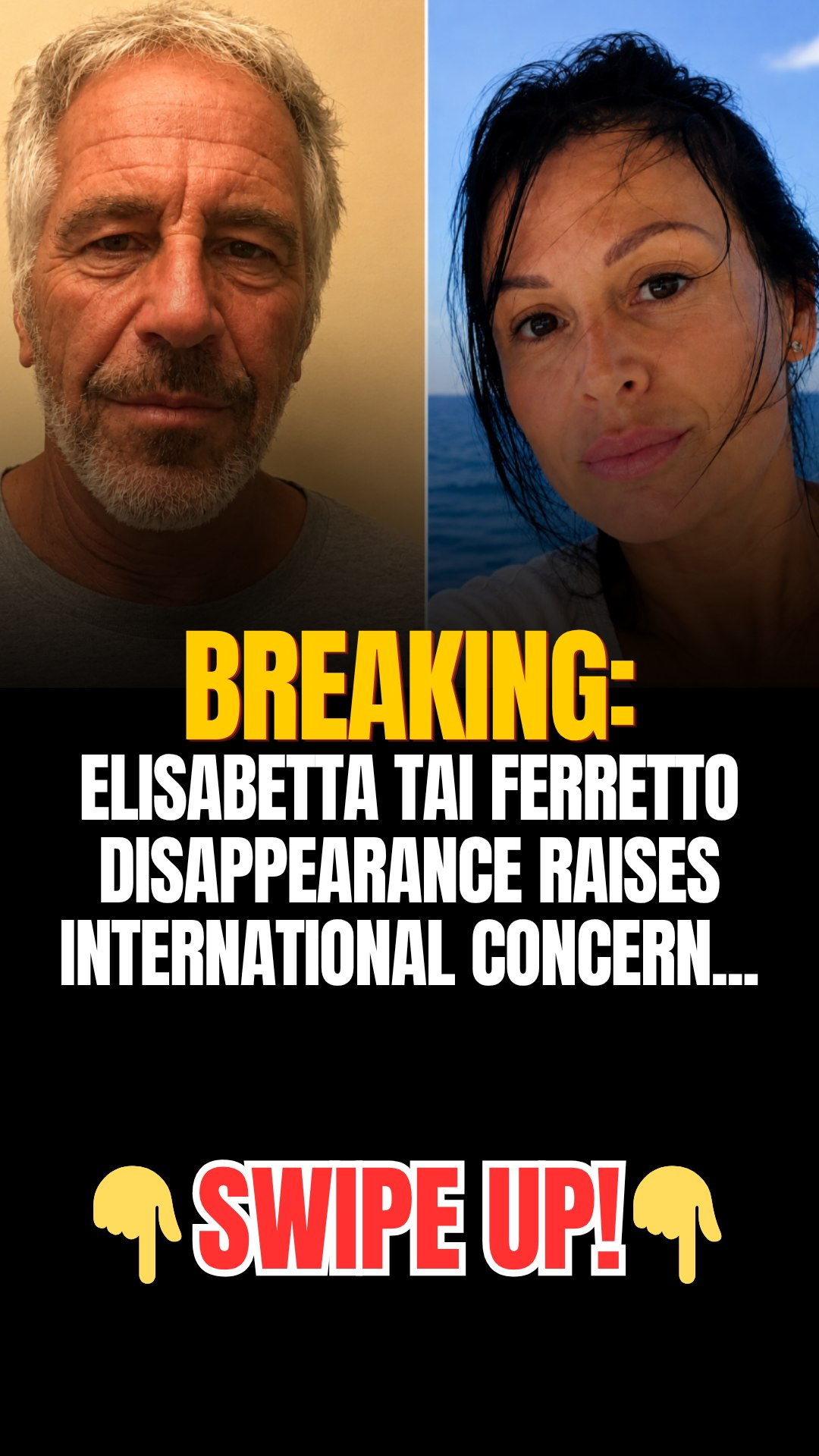
When a woman who once stood up to one of the most powerful predators in modern history suddenly goes silent for nearly two weeks, the world takes notice. Elisabetta Tai Ferretto, a 50-year-old Italian-born former model and successful New York real estate professional, vanished from regular communication in late April 2026. Her daily calls and messages to family back in Italy stopped abruptly after she returned from a visit home. Social media accounts went dark, and for a tense period, no one knew where she was or what had happened. The case quickly escalated into an international missing persons investigation involving Italian authorities, U.S. law enforcement, and diplomatic channels. Her eventual discovery alive and well brought relief, but the unanswered questions linger, shining a harsh light on the ongoing risks faced by those who speak out against powerful figures.
Ferretto’s story begins long before her recent disappearance made headlines. Born in Montagnana, a small town in Italy’s Padova province, she moved to the United States in 2001 to pursue modeling and later built a career in New York real estate. In 2004, she had a chilling encounter at Jeffrey Epstein’s Manhattan townhouse on East 71st Street. What was supposed to be a meeting to advance her modeling career turned into something far more sinister. Ferretto publicly described throwing a sex toy at Epstein and fleeing the scene—an act of defiance that marked her as one of the earliest and most outspoken survivors to come forward. Her account became part of the public record in 2019, adding her voice to the growing chorus of women seeking justice in the Epstein scandal.
The sudden break in communication raised immediate red flags for her family. Ferretto had maintained an incredibly close bond with relatives in Italy, speaking or messaging them almost every single day. When that routine stopped without warning after her return from a family visit on April 22, 2026, concern turned to panic. Her loved ones filed a missing persons report with Italian police in Rovigo. The case quickly moved up the chain: the Carabinieri of the Compagnia di Este took the lead, and the Italian Ministry of Foreign Affairs stepped in to coordinate with American authorities. For a routine missing adult case, this level of diplomatic involvement was extraordinary and spoke volumes about the perceived seriousness tied to her Epstein connection.
International concern wasn’t just about one woman’s silence. Ferretto’s name had been linked to the Epstein network at a time when new document releases—often referred to as the Epstein files—were stirring fresh scrutiny under the current administration. Congressional committees, including the House Oversight Committee and Senate Judiciary, have been examining patterns involving Epstein associates and the safety of witnesses and survivors. Her disappearance, even temporary, fit into a troubling pattern that investigators and advocates have flagged. When someone who publicly resisted Epstein goes quiet without explanation, it naturally fuels questions about whether old networks or lingering threats could still be at play.
After days of intense coordination between Italian and U.S. officials, the Carabinieri announced on May 5, 2026, that Ferretto had been located alive and in good health within the United States. The news brought enormous relief to her family and supporters. Yet the resolution came with a notable absence: no public explanation for why she went silent, why her social media vanished, or what exactly transpired during those nearly two weeks. Italian authorities closed the missing persons file, but the lack of transparency left many wondering what circumstances could justify such a complete radio blackout from someone known for consistent family contact.
This episode highlights a deeper issue that extends far beyond one individual. Survivors and accusers in high-profile cases like Epstein’s often live with the knowledge that powerful interests might prefer their stories remain buried. Even years after Epstein’s death, the full scope of his network and the protection it may have received continues to surface in document releases and congressional inquiries. When a known accuser disappears from view, it sends ripples through advocacy communities and prompts legitimate questions about witness safety protocols. Are there adequate protections in place? Do survivors receive ongoing support and security assessments? These are conversations that need to happen openly if we truly want justice and prevention.
Ferretto’s background as both a model and a real estate professional in New York placed her in circles where wealth, influence, and secrecy often intersect. Her decision to speak out in 2019 was brave, especially at a time when many still feared repercussions. The fact that her recent silence triggered such swift international action shows how seriously authorities now treat potential threats to Epstein-related witnesses. It also underscores the importance of strong family and community networks. In an age of constant digital connection, a sudden break in communication can be the first and most alarming sign that something is wrong.
For the average person, this story serves as a powerful reminder about personal safety and staying connected. Maintaining regular check-ins with loved ones isn’t just good practice—it can be lifesaving. Whether you’re dealing with high-stress careers, public visibility, or simply navigating everyday risks, having a simple safety plan (shared locations, emergency contacts, or scheduled calls) creates peace of mind. In Ferretto’s case, her family’s quick action and the responsiveness of Italian authorities likely played a key role in the positive outcome.
The broader Epstein saga continues to evolve, with new revelations emerging regularly. Each document release or congressional hearing brings fresh attention to the survivors who courageously stepped forward. Ferretto’s experience, while resolved safely this time, adds another layer to the ongoing discussion about accountability, victim protection, and the lingering shadows of that scandal. It’s a stark illustration that speaking truth to power can come with invisible costs and risks that don’t simply disappear when headlines fade.
As more details potentially emerge about what happened during those two weeks, the focus should remain on supporting survivors and strengthening safeguards. No one who has already endured exploitation should have to live in fear of retaliation or unexplained silence. Ferretto’s story, from her bold resistance in 2004 to the recent concern it generated, reminds us that the fight for justice is never truly over as long as questions remain unanswered.
In the end, the swift resolution brought relief, but the episode leaves us with important reflections. How do we better protect those who expose wrongdoing? What lessons can families and authorities draw from this to prevent future scares? And how do we ensure that voices like Elisabetta Tai Ferretto’s continue to be heard without fear? These are the conversations worth having as the Epstein files keep unfolding and the world watches.
What stands out most in cases like this is the power of connection and vigilance. Ferretto’s family refused to let her silence go unnoticed, and authorities acted decisively. In a world that can feel increasingly disconnected, that kind of commitment matters. It’s a hopeful note in an otherwise unsettling story—one that underscores how quickly concern can turn to resolution when people refuse to look the other way.
Most Popular!
-
 THE SILENCE SURROUNDING RFK JR.: WHAT IS BEING HIDDEN BEHIND CLOSED DOORS?
-
THE HELICOPTER IN THE BACKYARD: WHY MY PARENTS DISMISSED MY ORDINARY HUSBAND UNTIL HE SAVED MY LIFE DURING A TERRIFYING LABOR EMERGENCY
-
A DEADLY TREND: THE SILENT KILLER LURKING IN A TEEN’S PURSUIT OF BEAUTY
-
A DEADLY TREND: THE SILENT KILLER LURKING IN A TEEN’S PURSUIT OF BEAUTY
-
MY WIFE SOLD MY PRICELESS INHERITANCE BEHIND MY BACK—THEN THE BUYER CALLED IN ABSOLUTE TERROR!
-
THE FORTUNE I DIDN’T EXPECT: MY ELDERLY HUSBAND’S FINAL ACT OF REVENGE AGAINST HIS VULTURES
-
THE BILLIONAIRE IN THE TRAILER: TWO BOYS THOUGHT THEY WERE HELPING A DESTITUTE OLD MAN, BUT THE SECRET IN HIS FINAL WILL SHOCKED EVERYONE
-
THE INHERITANCE TRAP: MY SISTER STOLE THE PENTHOUSE, BUT I STOLE THE EMPIRE