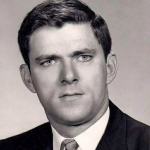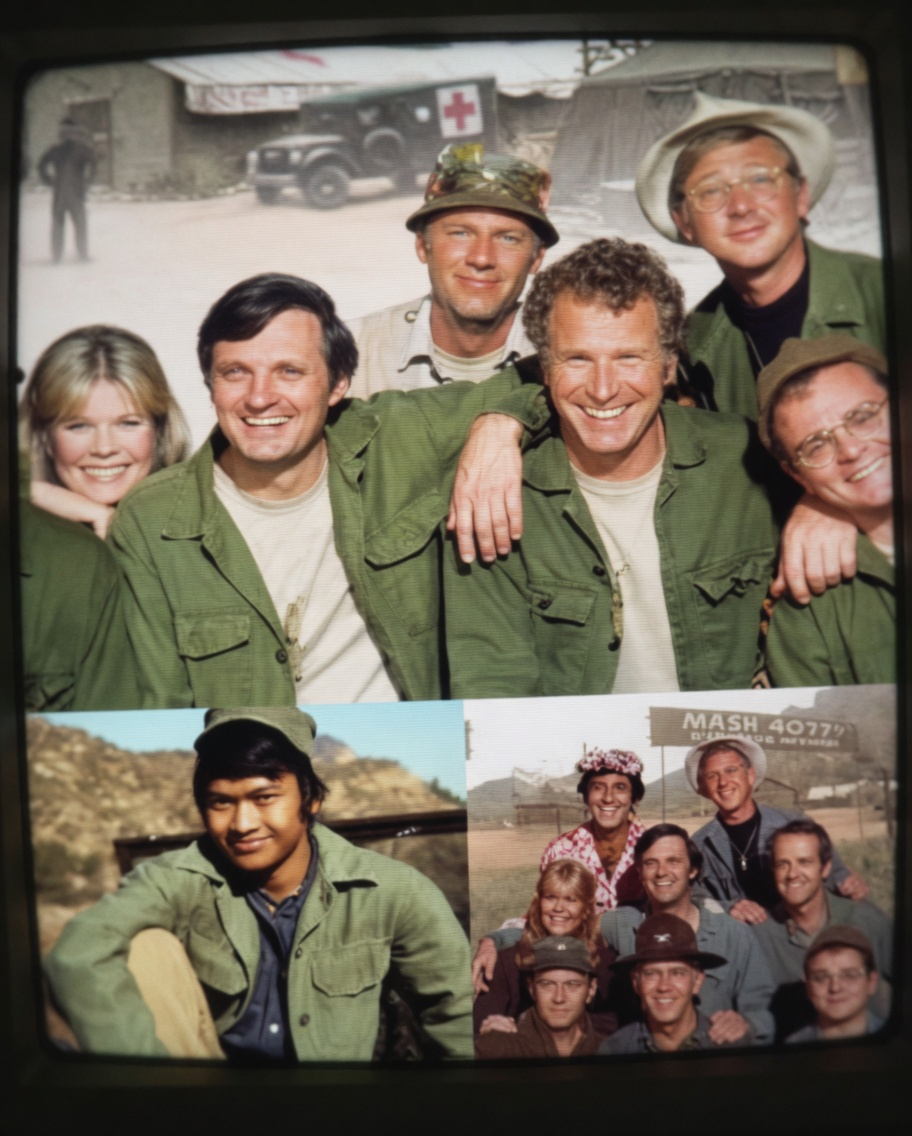
The news spread quietly at first, then gained momentum as fans of classic television realized another beloved face from their youth had slipped away. Patrick Adiarte, the Filipino-American actor best known for playing Ho-Jon, the gentle Korean houseboy in the first season of MASH*, passed away at the age of 82. While he never achieved the household-name fame of Alan Alda or Loretta Swit, his presence on that groundbreaking series left a lasting impression on millions of viewers who grew up watching the show with their families.
Born in the Philippines and raised in the United States during an era when opportunities for Asian actors were extremely limited, Adiarte carved out a career defined by quiet excellence rather than flashy stardom. He appeared in major productions like the film versions of The King and I and Flower Drum Song, where his exceptional dancing skills caught the attention of none other than Gene Kelly, who reportedly told him he had the potential to follow in Fred Astaire’s footsteps. He guest-starred on iconic shows including Bonanza, The Brady Bunch, Hawaii Five-O, and Kojak, demonstrating remarkable versatility across drama, comedy, and action.
Yet it was his recurring role as Ho-Jon on MASH* that cemented his place in television history. In a show famous for its sharp wit and anti-war message, Adiarte brought a layer of warmth and humanity to the 4077th Mobile Army Surgical Hospital. His character served as a quiet reminder of the real people caught in the middle of conflict — a gentle presence that grounded the show’s humor and chaos in something deeply human. Even though he appeared in only a handful of episodes, many viewers still remember Ho-Jon fondly decades later.
For grandparents who watched MASH* during its original run or in endless syndication reruns, Adiarte’s passing feels like the closing of another chapter from their own youth. The show was more than entertainment — it was a weekly ritual that brought families together in living rooms across America. Grandparents who are now in their 70s and 80s often remember gathering with their own parents or young children to watch the latest episode, laughing at Hawkeye’s jokes while quietly absorbing the show’s deeper messages about war, friendship, and sacrifice.
Adiarte’s story also reflects the quiet struggles many grandparents recognize from their own lives. He worked in an industry that often overlooked or stereotyped Asian performers, yet he maintained a reputation for professionalism, discipline, and authenticity. He never sought the spotlight for its own sake. Instead, he focused on elevating every role, no matter how small, with skill and dignity. This quiet approach to his craft mirrors the way many grandparents have lived — showing up consistently, working hard behind the scenes, and rarely asking for recognition.
His death at 82 invites us to reflect on what truly constitutes a meaningful legacy. Adiarte may not have left behind massive fortunes or blockbuster franchises, but he left behind performances that still bring comfort and nostalgia to people decades later. He helped pave the way for future generations of Asian actors in Hollywood at a time when such opportunities were rare. In many ways, his life embodied the values that grandparents hope to pass down: resilience, quiet strength, and the courage to keep going even when the world doesn’t fully see your worth.
For many grandparents reading about his passing, the emotional connection runs deeper than nostalgia. We have spent decades carefully building retirement savings and home equity, making quiet sacrifices so our children and grandchildren would have more stability than we ever knew. Yet Adiarte’s story reminds us that the greatest legacies are not always measured in dollars or public acclaim. Sometimes they are measured in the small, consistent ways we show up for the people we love and the values we quietly uphold.
The practical lesson here is both simple and profound. Just as Adiarte spent his career elevating every role with quiet excellence, we must approach the later years of life with the same intentionality. Protecting our retirement savings and home equity is important, but equally vital is protecting our health, our relationships, and our ability to remain present for our grandchildren. Many grandparents have learned the hard way that financial security means little if we are not around to enjoy it or if our families are left with unresolved pain and unspoken truths.
Adiarte’s life also offers a gentle challenge to the way many of us think about success and recognition. He never became a superstar, yet his work touched millions. He never chased fame, yet his performances are still discussed and appreciated today. This quiet legacy is something many grandparents can relate to. We may not have flashy careers or public recognition, but the daily choices we make — showing up for our families, teaching values, protecting resources — often matter far more in the long run than any spotlight moment.
What makes Adiarte’s story particularly moving is how it highlights the importance of cherishing the people and memories that truly matter before it’s too late. Grandparents who watched MASH* with their own children now have the opportunity to share those same episodes with their grandchildren. They can pass down not just the entertainment value, but the deeper lessons about compassion, resilience, and the quiet strength it takes to endure difficult times.
The global outpouring of tributes following his death shows that even actors who worked quietly in the background can leave behind legacies that far outlast their time on screen. For grandparents, this is a powerful reminder that the most important things we leave behind are rarely the things we accumulate. They are the stories we share, the values we model, and the love we give freely while we still can.
Patrick Adiarte may have left this world at 82, but the warmth he brought to the screen and the quiet dignity he carried through his career continue to ripple outward. His story encourages us to value substance over spectacle, consistency over recognition, and the quiet contributions that often shape families and communities more than we realize.
As you finish reading this, ask yourself: what quiet legacy are you building that your grandchildren may not fully appreciate until you are gone? And more importantly, what steps can you take today to protect not just your retirement savings and home equity, but the emotional inheritance of love, values, and presence that truly matters in the end? Sometimes the greatest gifts we leave behind are the ones we give without fanfare — just as Patrick Adiarte did throughout his remarkable, underappreciated life.
Most Popular!
-
 The Secret Wedding of the Century: Ryan Seacrest’s Shocking Engagement Reveal That Has Hollywood Trembling
-
The Secret Language of Your Cat: Why That Persistent Head Butt Might Actually Be a Life-Altering Declaration
-
The Million-Dollar Secret: My Ex-Fiancé’s Mother Sabotaged My Life But a 20-Year-Old Trust Proved She Didn’t Own My Future
-
The House Stealing Trap: My Husband and Mother-in-Law Thought I Was Their Perfect Mark Until I Revealed My Secret
-
The Unforgivable Betrayal: Why This Father’s Choice to End His Own Son’s Life Has Destroyed a Community
-
The Great Erasure: Brad Pitt’s Worst Nightmare Comes True as His Last Son Finally Abandons the Family Name
-
The Final Curtain Call: The Heartbreaking Truth Behind Daytime TV Legend Phil Donahue’s Passing
-
The Silent Killer on Your Breakfast Table: Are You Eating Your Way to a Diabetic Crisis?