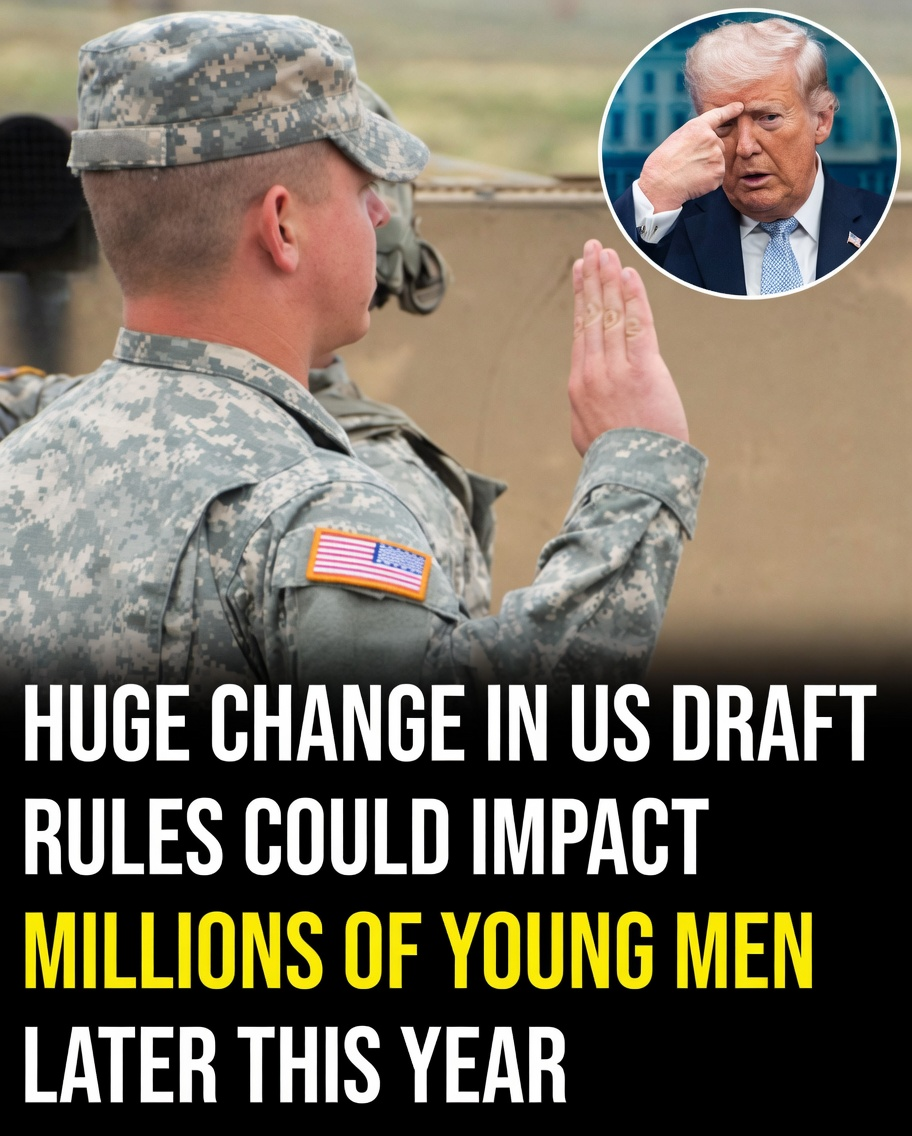
You sit at your kitchen table on an ordinary afternoon, reading about a significant but quiet shift in how the United States handles draft registration. Under the proposed overhaul, young men would no longer need to register themselves with the Selective Service System. Instead, the government would automatically register eligible men using existing federal data.
This change removes the manual step that currently requires men aged 18 to 25 to sign up themselves. The goal is to create a more consistent, nationwide system with fewer gaps and less administrative burden. Officials aim for full implementation by December 2026.
The update comes as registration rates have slightly declined in recent years. While still high, the small drop has prompted authorities to seek a more reliable method. Automation eliminates the need for constant reminders, campaigns, and enforcement actions.
Importantly, this is not a return of the military draft. The U.S. has not used conscription since the Vietnam War era, and there are no current plans to reinstate one. The Selective Service remains a database — a standby list that could be activated only if Congress and the President ever authorize a draft.
For many grandparents with sons, grandsons, or other young men in the family, this news feels personal. It raises questions about readiness, national security, and how global tensions could one day affect the next generation. The practical reality is that any major policy shift tied to military systems can create ripples of uncertainty that affect markets, insurance costs, and long-term financial planning.
The proposed system aims to be more efficient and fair. No one would fall through the cracks due to forgetting to register or moving between states. Supporters see it as simple modernization. Critics worry that making registration fully automatic signals deeper preparations amid rising international conflicts.
This development serves as a timely reminder for families. Even without an active draft, staying informed about policies that could impact young people is part of responsible legacy planning. Reviewing estate documents, discussing future possibilities with adult children, and maintaining strong financial buffers help protect the stability you have worked decades to build.
Many grandparents are now using this moment to have calm, honest conversations with their families about preparedness, values, and what matters most during uncertain times. Small, proactive steps today can reduce stress if larger changes ever occur.
The quiet truth behind the proposed U.S. draft registration overhaul lingers long after the article is read. These kinds of policy shifts often force us to re-examine our own family protections and the financial boundaries we set to safeguard the future we want for our grandchildren.
As you reflect on the draft registration changes that could affect millions of young men and the retirement savings and home equity you have spent years protecting, ask yourself this: what one small step toward better family preparedness or financial review could you take this week that might strengthen your own legacy, protect your retirement savings, and show your grandchildren the true meaning of thoughtful planning and love?
Most Popular!
-
 Eggs, Cholesterol, and Timing: What Actually Matters for Most People
-
When a Partner Leaves With More Than a Suitcase: Protecting Yourself From Financial Betrayal
-
When Financial Support Meets Contempt: Recognizing Exploitation Inside a Marriage
-
Why Some Sensory Toys and Household “Hacks” Do Not Belong in the Microwave
-
When Grief Clouds Judgment: Misreading Silence and the Quiet Ways People Show Care
-
When One Partner Does All the Hosting: Recognizing Imbalance Before Resentment Takes Over
-
How Many Holes Are in a T-Shirt? What a Simple Puzzle Reveals About How We See
-
The Quiet Stories Inside Secondhand Objects: When a Thrift-Store Find Carries Someone Else’s History