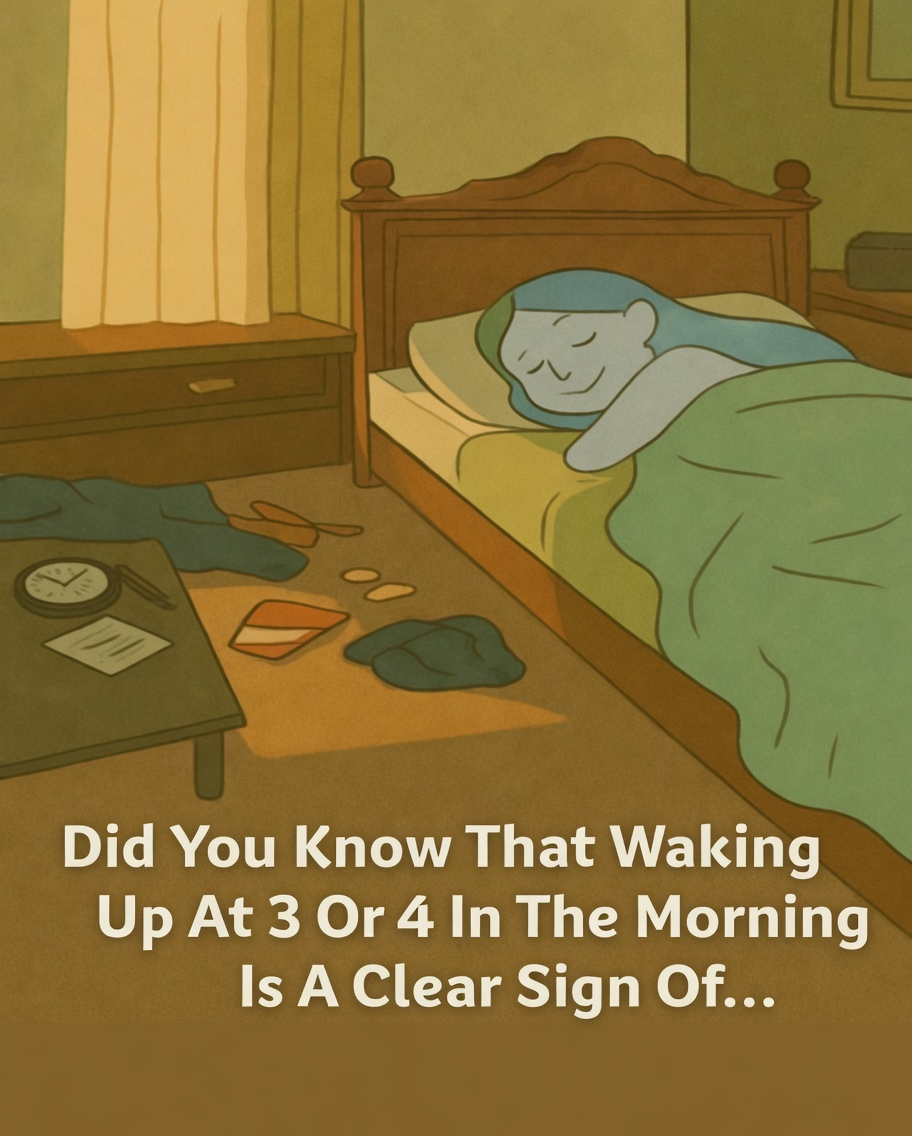
You sit at your kitchen table on an ordinary afternoon, thinking about another night of waking up multiple times, staring at the ceiling, and struggling to fall back asleep. For many grandparents, broken sleep has become an accepted part of aging, yet it quietly affects energy levels, mood, memory, and overall health far more than most realize. The good news is that several simple, practical steps can dramatically reduce nighttime wake-ups and help you wake up feeling more rested.
Common causes of frequent awakenings include needing to use the bathroom, temperature fluctuations, noise, an uncomfortable mattress or pillow, acid reflux, stress, and irregular sleep schedules. Addressing these one by one often brings noticeable improvement without expensive treatments or medications.
Here are practical ways that work for many older adults:
- Stick to a consistent sleep schedule — Going to bed and waking up at roughly the same time every day, even on weekends, helps regulate your body clock.
- Create a cool, dark, quiet bedroom — Keep the room between 60–67°F (15–19°C), use blackout curtains, earplugs or white noise, and consider a fan for air circulation.
- Limit liquids in the evening — Reduce fluids after 7 PM to minimize nighttime bathroom trips.
- Watch your evening diet — Avoid heavy meals, caffeine, and alcohol close to bedtime. A small protein-rich snack can help stabilize blood sugar.
- Wind down properly — Develop a relaxing pre-bed routine: dim lights, gentle stretching, reading, or meditation instead of screens.
- Optimize your sleep position — Side sleeping with a pillow between the knees often reduces back pain and acid reflux.
- Get natural daylight and gentle exercise — Morning sunlight and light daytime activity (like walking) improve nighttime sleep depth.
- Check your mattress and pillows — Replace them when they no longer support you properly — this single upgrade often cuts wake-ups dramatically.
For grandparents carefully protecting retirement savings and home equity, better sleep is more than a comfort issue. Poor rest quietly increases the risk of health problems, doctor visits, and higher medical costs that can slowly drain the nest egg meant for your grandchildren. Consistent good sleep supports clearer thinking, steadier mood, and greater independence — all of which help preserve both financial resources and quality time with family.
Many grandparents report that making just 2–3 of these changes leads to fewer wake-ups within a week or two. The improvements compound: more energy during the day means better decisions, more activity, and stronger emotional connections with loved ones.
This everyday focus on sleep quality reflects a deeper truth about protecting what matters. Just as small nightly adjustments improve rest and long-term health, thoughtful daily habits protect the retirement savings and home equity you have worked so hard to build for your grandchildren.
The quiet truth behind minimizing nighttime wake-ups lingers long after you turn out the lights. These practical changes often force us to re-examine our routines and the financial boundaries we set to protect the future we want for our grandchildren.
As you reflect on simple practical ways to minimize nighttime wake-ups and improve sleep quality and the retirement savings and home equity you have spent years protecting, ask yourself this: what one small change to your bedtime routine could you start tonight that might strengthen your own legacy, protect your retirement savings, and show your grandchildren the true meaning of thoughtful self-care and love?
Most Popular!
-
 Eggs, Cholesterol, and Timing: What Actually Matters for Most People
-
When a Partner Leaves With More Than a Suitcase: Protecting Yourself From Financial Betrayal
-
When Financial Support Meets Contempt: Recognizing Exploitation Inside a Marriage
-
Why Some Sensory Toys and Household “Hacks” Do Not Belong in the Microwave
-
When Grief Clouds Judgment: Misreading Silence and the Quiet Ways People Show Care
-
When One Partner Does All the Hosting: Recognizing Imbalance Before Resentment Takes Over
-
How Many Holes Are in a T-Shirt? What a Simple Puzzle Reveals About How We See
-
The Quiet Stories Inside Secondhand Objects: When a Thrift-Store Find Carries Someone Else’s History